

The following is a report from PPI Board member and representative from the Pirate Party of the Netherlands, Mark Anthony van Treuren about his observations during humanitarian missions in Ukraine.
Report on my travel through Ukraine
Over the past four years, I have travelled to Ukraine many times to deliver humanitarian aid. Normally these trips are straightforward: I drive directly to a storage facility, unload the supplies, spend a day or two with local volunteers and then return home.
This journey was different.
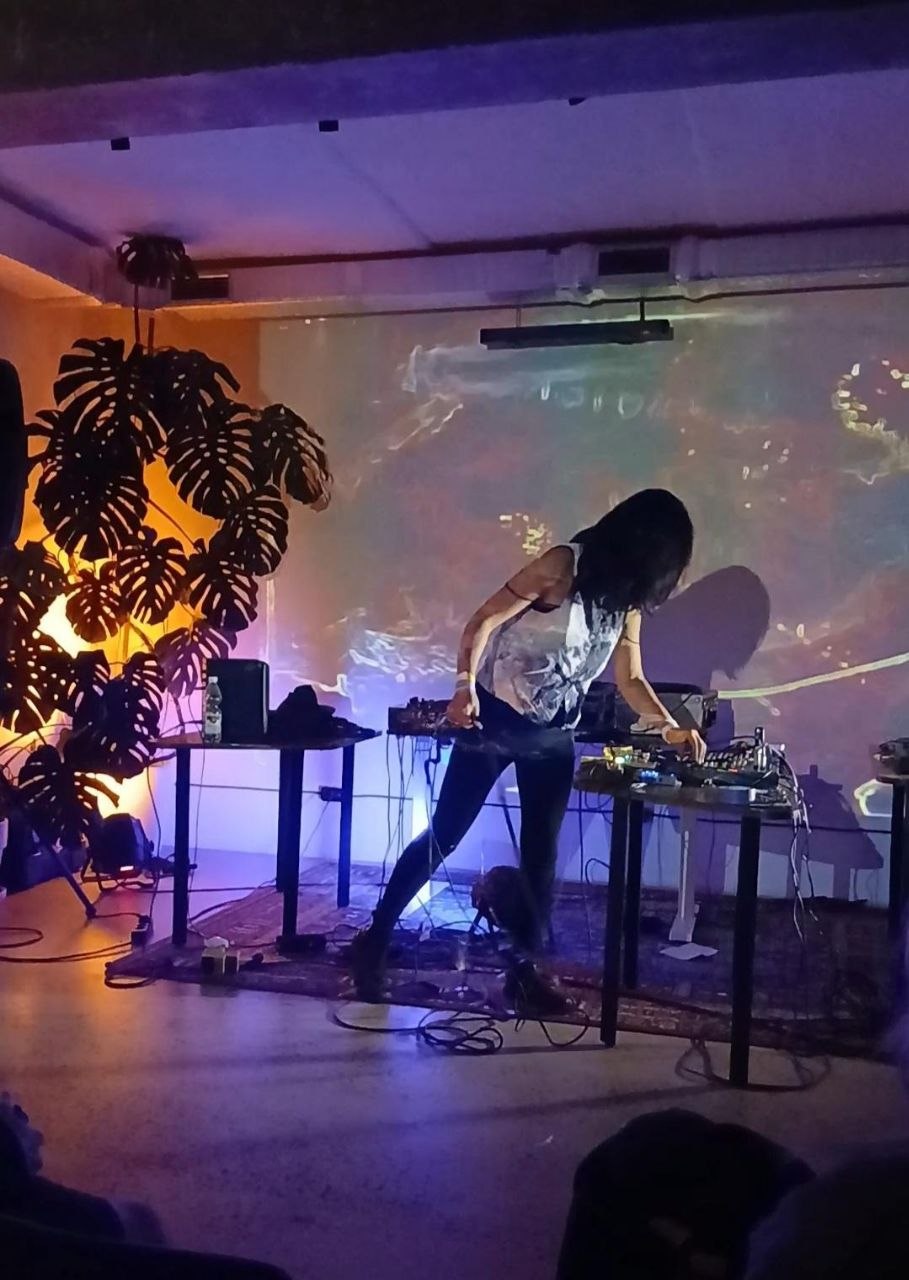
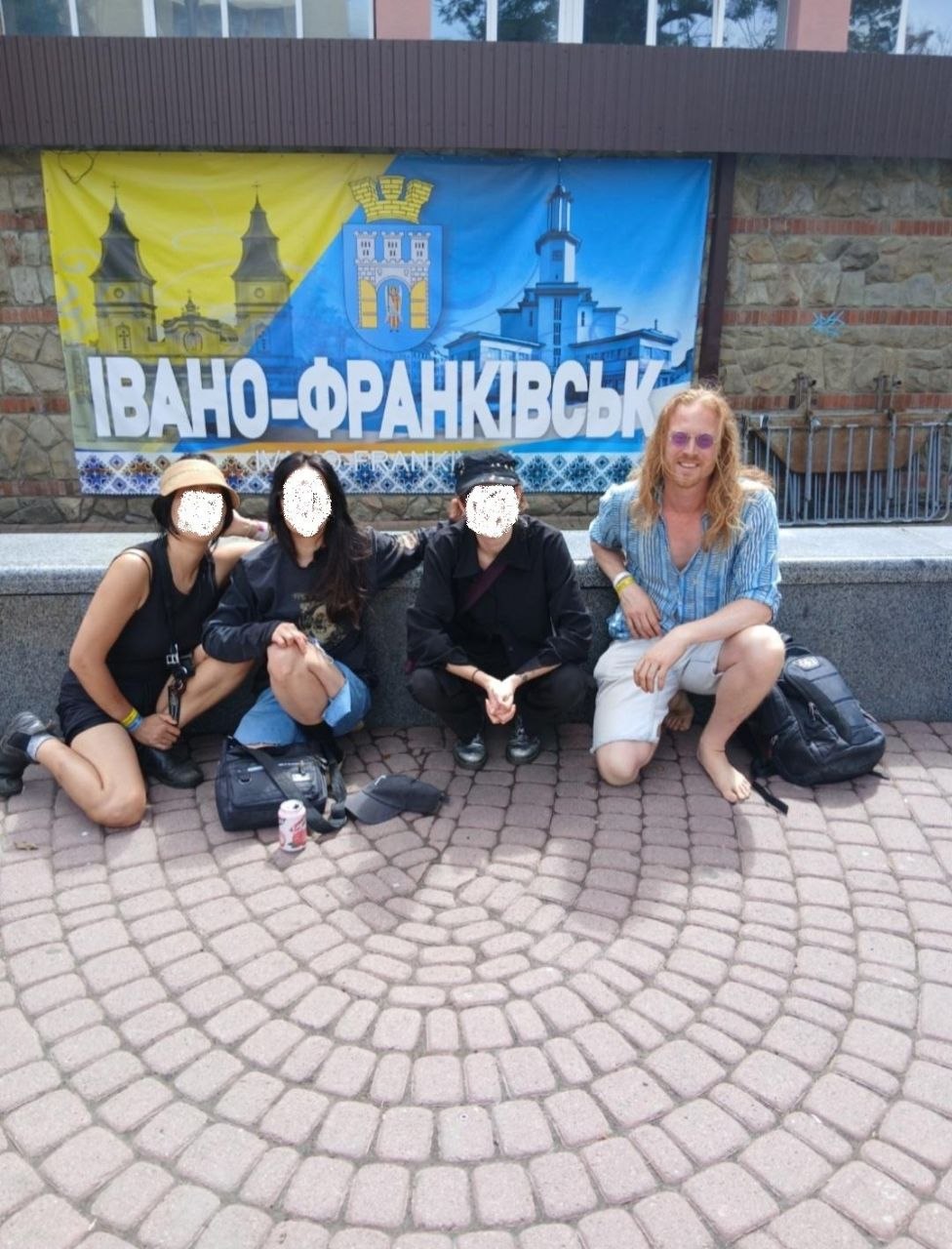
A group of Ukrainian musicians invited me to drive them between performances in several cities across the country. They perform Noise music—an experimental and often controversial genre that deliberately breaks conventional musical rules. Rather than focusing on melody or rhythm, Noise explores sound itself as an artistic experience.
Ukraine has a remarkably active underground punk and DIY music scene. Most concerts are organised entirely by volunteers, with artists, organisers and audiences building events from the ground up with very limited resources. These gatherings attract a diverse audience, particularly younger people and military veterans. In every major city we visited, local volunteers had organised an evening of performances.
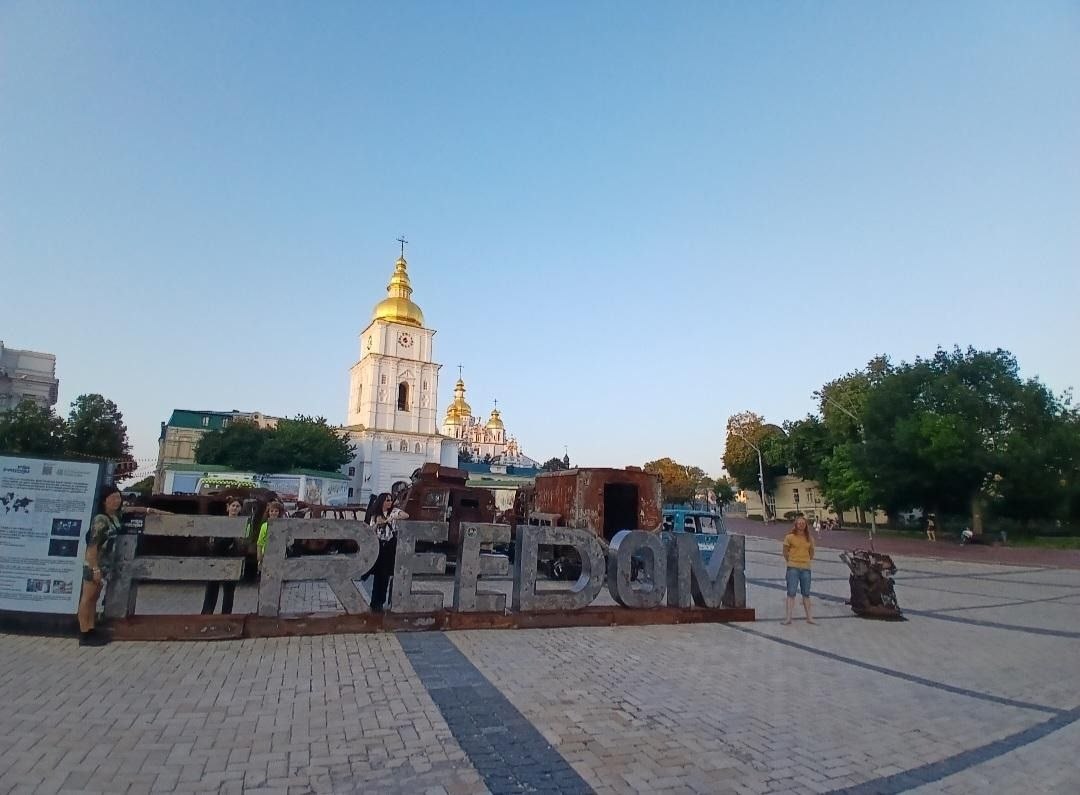
Travelling with these musicians allowed me to experience a side of Ukraine that humanitarian aid missions rarely reveal. Instead of moving only between warehouses and border crossings, I was able to spend time with ordinary citizens, artists, volunteers, veterans and students across Ukraine. The conversations that form the basis of this article took place during those journeys.
 |
 |
 |
Humanitarian aid: small donations, large impact
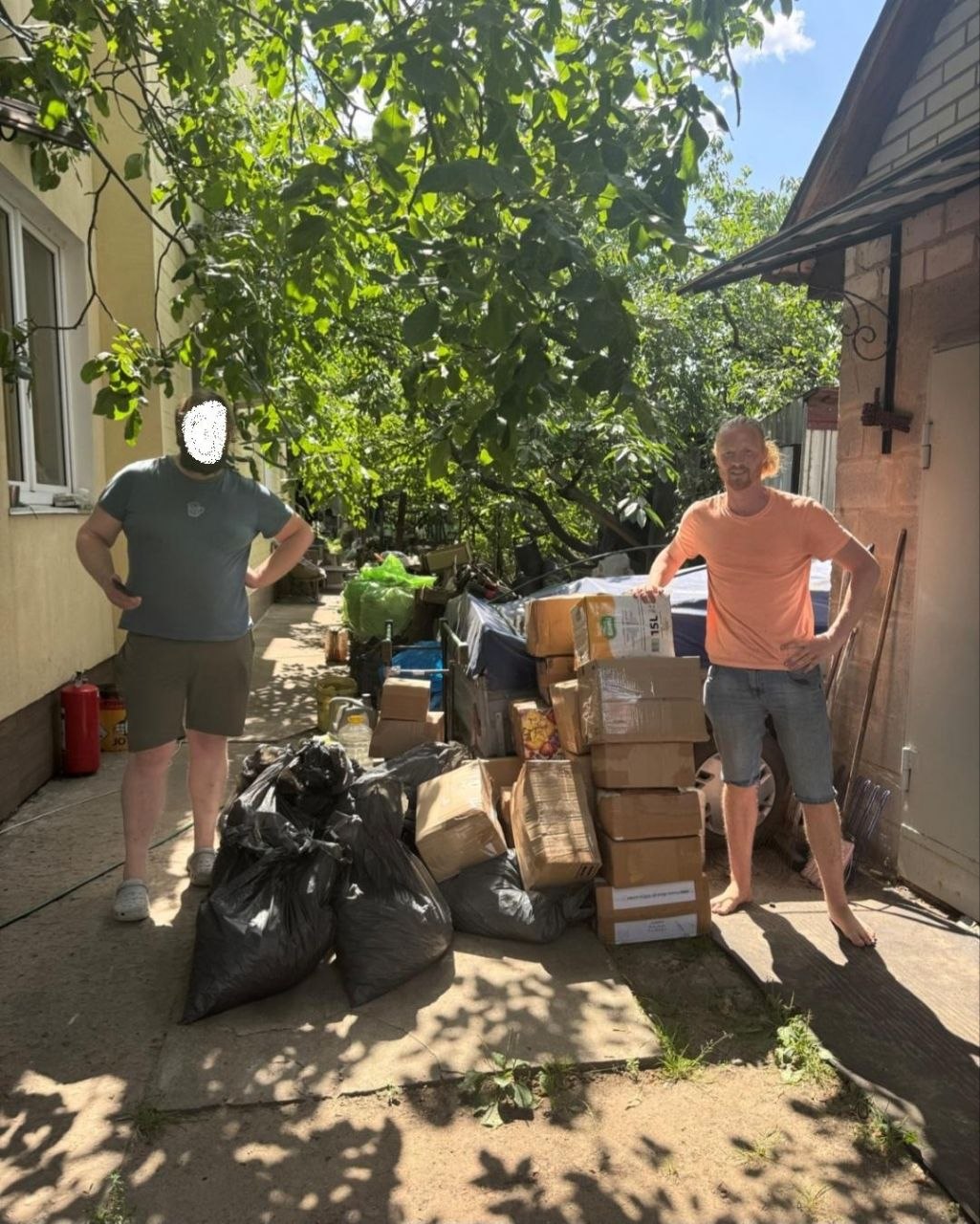
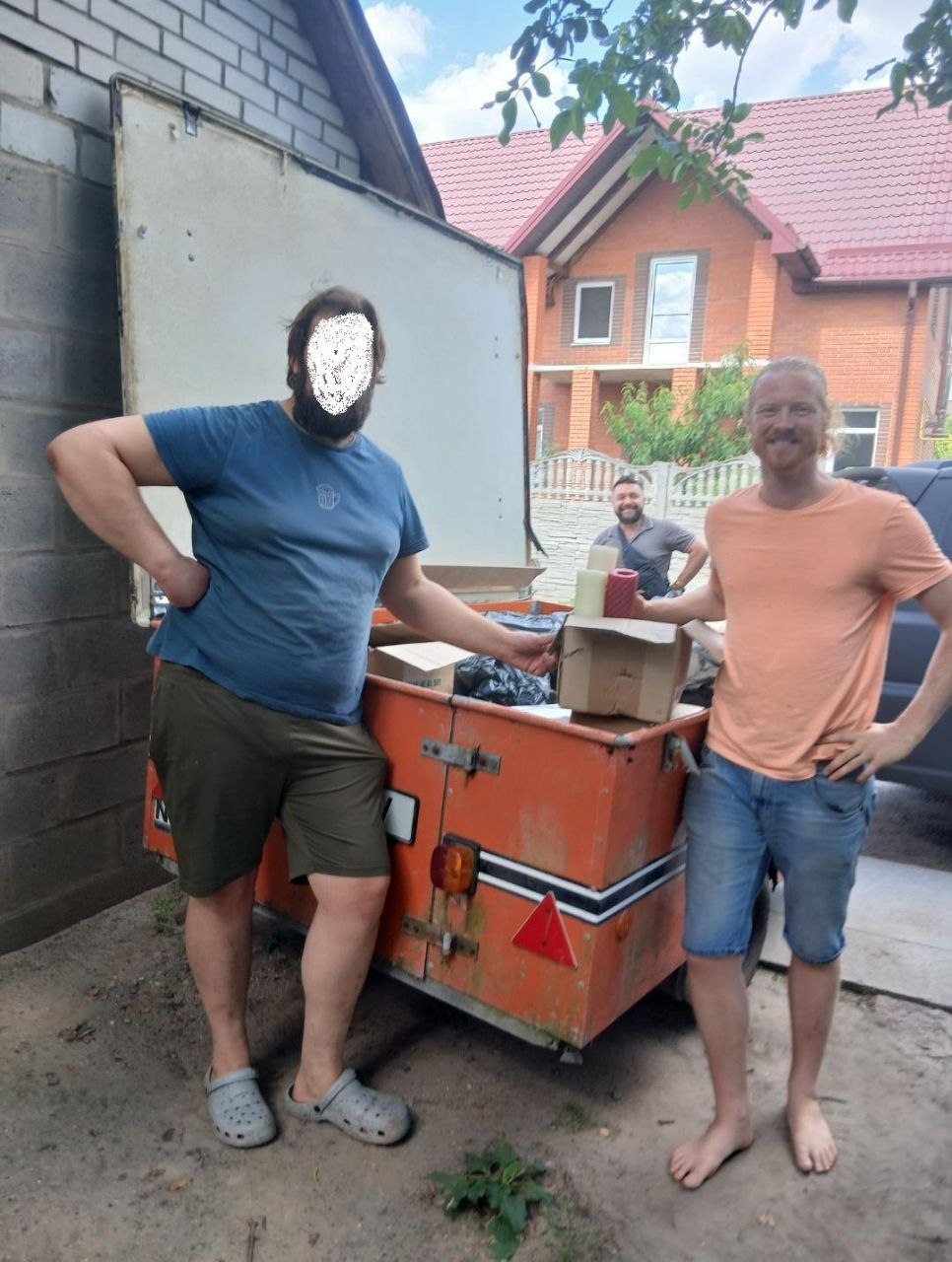
The humanitarian cargo was delivered in Kyiv to the volunteer organisation Car4Life, which distributes equipment where it is needed most.
This shipment included:
- One donated vehicle
- One trailer
- Seven solar panels
- One generator
- Two tents
- Two sleeping mats
- Approximately 300 kilograms of candle wax
At first glance, 300 kilograms of wax may not sound particularly valuable.
In reality, it can make an enormous difference.
Volunteers showed me how they manufacture so-called trench candles from recycled tins, cardboard and candle wax. During my visit I received what felt like a masterclass in the entire production process.
The donated wax will produce approximately one thousand trench candles.
Each candle burns for around eight hours. Heating one litre of water takes roughly twenty minutes. A single candle therefore provides enough energy to prepare hot drinks several times a day for a small infantry unit over the course of about a week.
These simple devices are inexpensive, reliable and often indispensable in frontline conditions where electricity is unavailable.
A request Europe can easily answer
One message I heard repeatedly from volunteers surprised me.
Today, one of their greatest needs is no longer only generators—it is solar panels.
Across Europe, households and companies are replacing perfectly functional solar panels with newer and more efficient models. Many of the old panels are discarded despite remaining fully operational.
For Ukrainian volunteer organisations, these panels are incredibly valuable.
They can power field hospitals, communication equipment, workshops, humanitarian warehouses and temporary shelters while reducing dependence on expensive fuel. During the winter months, when Russian attacks continue to target Ukraine’s energy infrastructure, every additional source of electricity matters.
Collecting decommissioned but functional solar panels from across Europe could become one of the simplest and most effective forms of practical solidarity. Rather than ending up as waste, these panels could provide free renewable electricity for years to come.
Sometimes the most valuable humanitarian aid is not sophisticated technology.
It is giving useful equipment a second life in the place where it is needed most.
 |
 |
 |
Ukraine Beyond the Frontline
Democracy, Trust and Resilience Through the Eyes of Ordinary Ukrainians
“The first casualty of war is the truth. The second is often trust.”
When Europeans think about Ukraine, they usually picture destroyed cities, trenches, missiles and diplomatic meetings. After travelling through western Ukraine, I came away with a very different impression. The greatest battle being fought is not only against Russian missiles, but against corruption, propaganda and the gradual erosion of public trust.
From a Pirate Party perspective, these are not secondary issues. Transparency, digital accountability, decentralisation, environmental protection and civil liberties are not luxuries that can wait until after the war. They are strategic necessities. A country that wants to remain free must also remain open, accountable and democratic.
The strength of ordinary people
My first real experience of Ukraine was not military.
It was kindness.
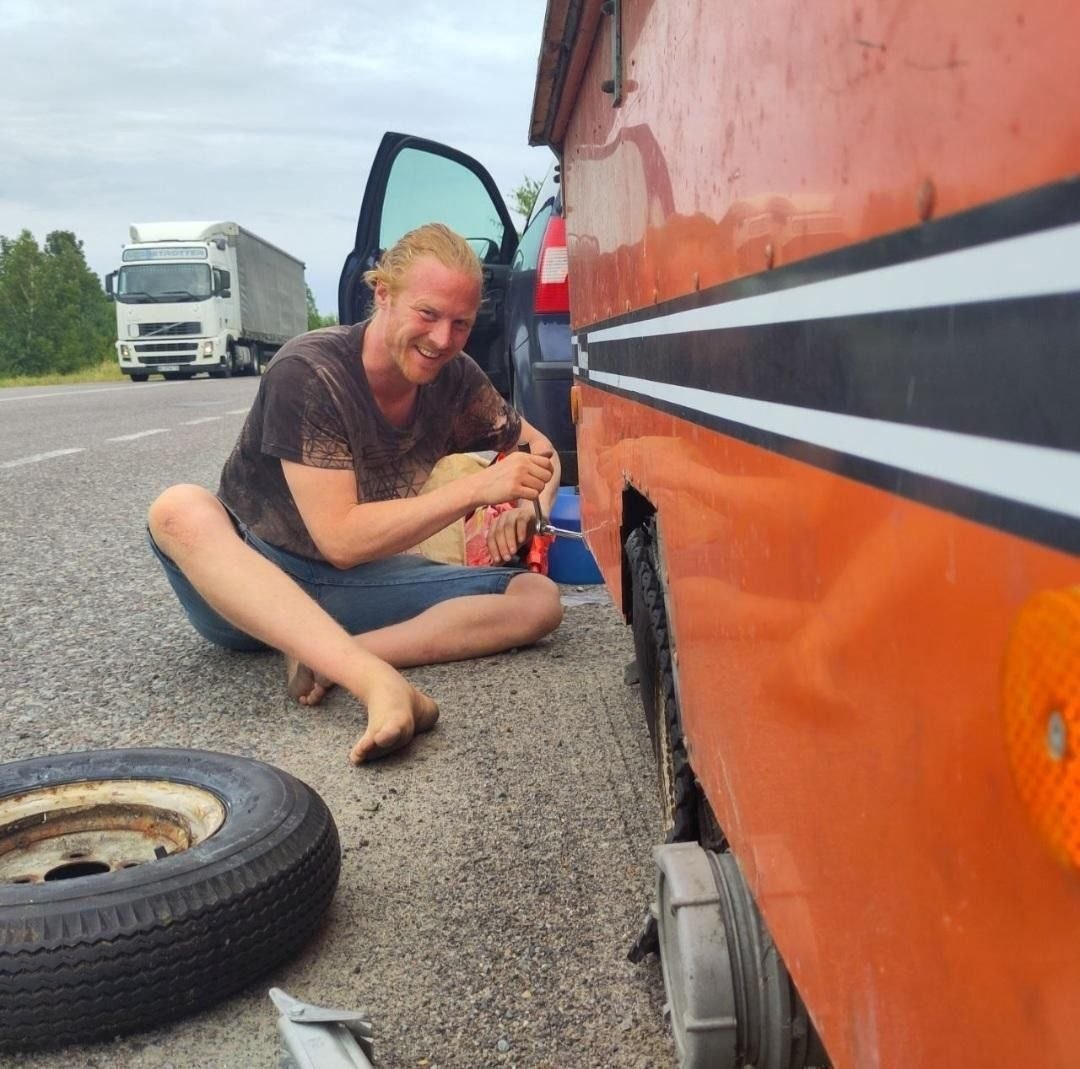
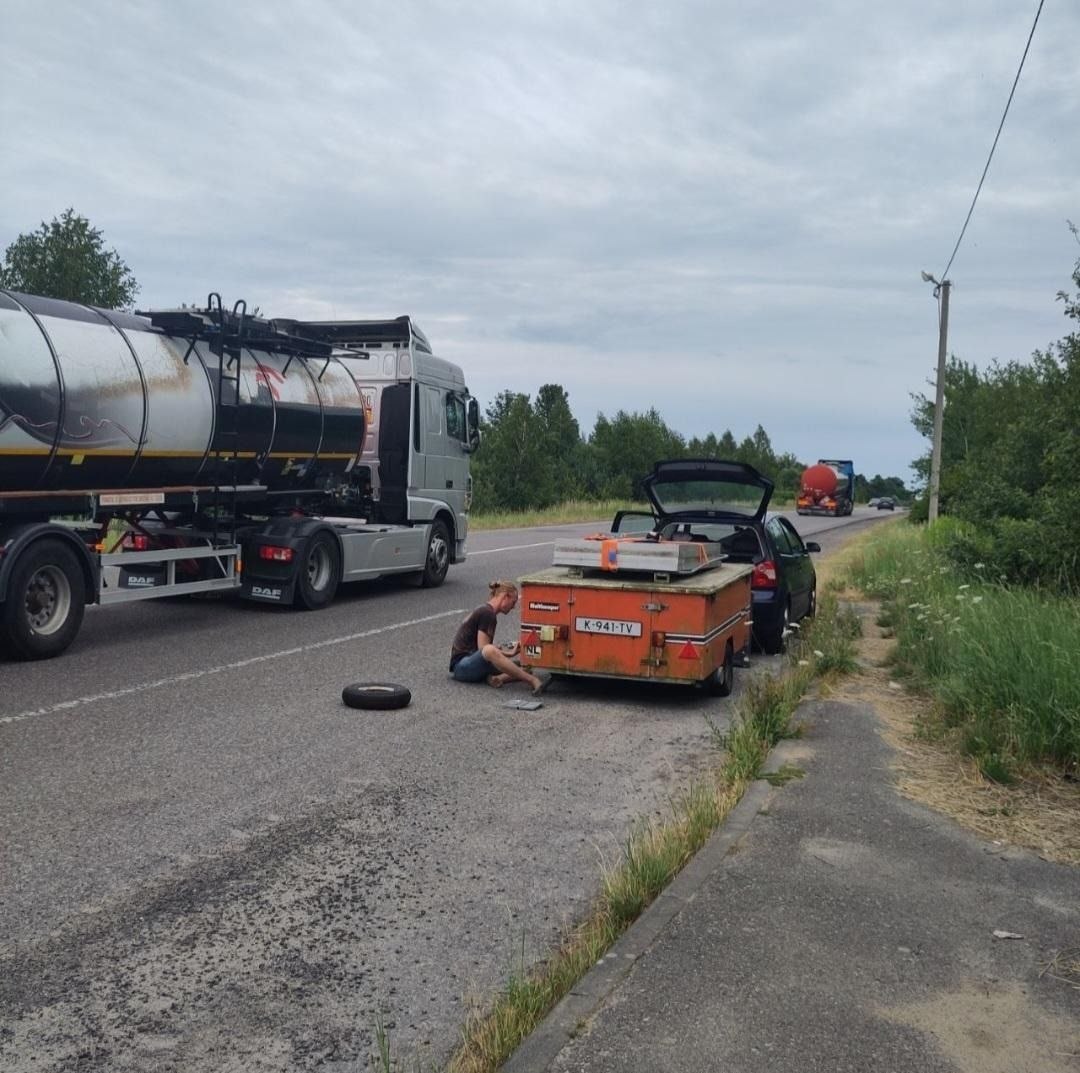
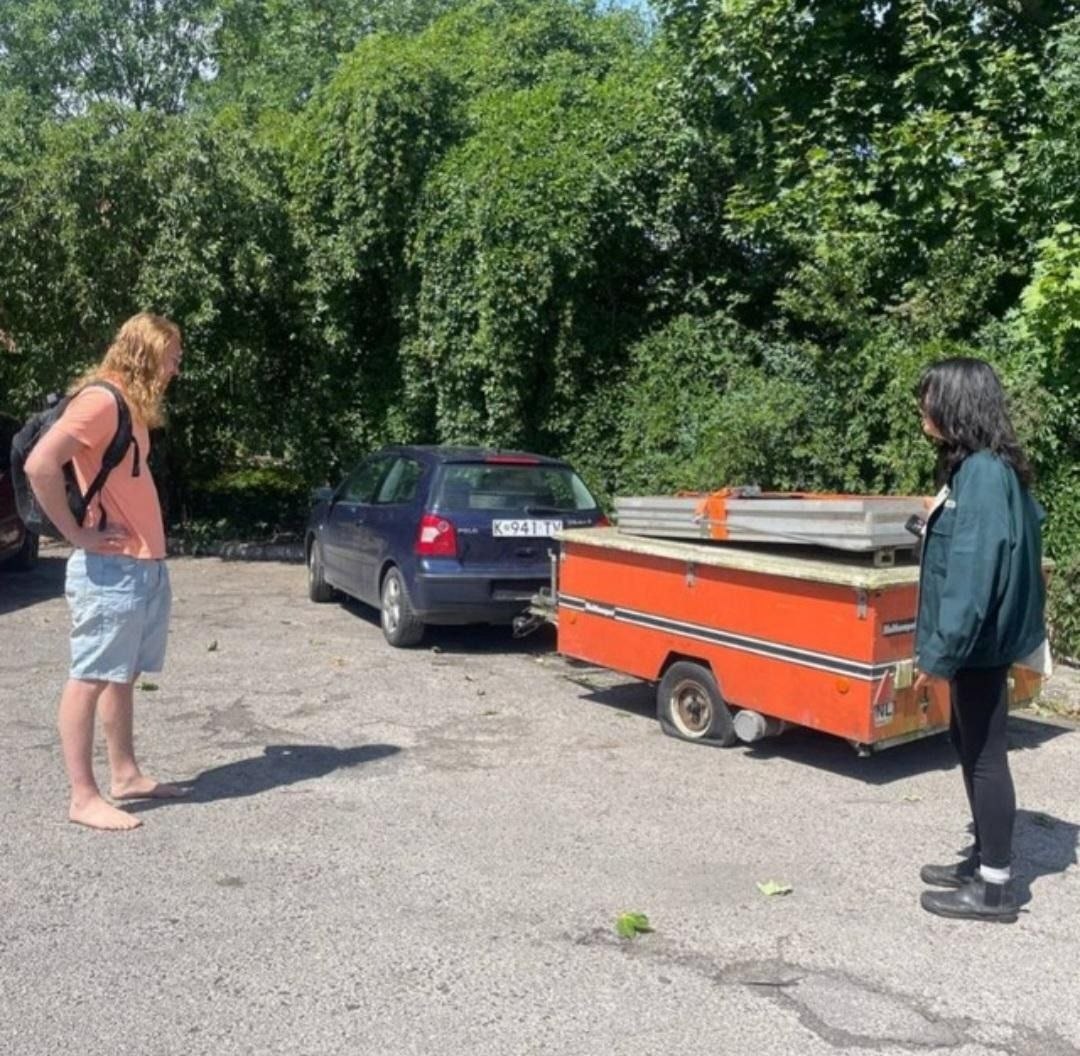
After my trailer suffered broken wheels, complete strangers immediately started helping. Tools appeared from workshops nearby. Equipment was borrowed without hesitation. Before long, skilled people arrived who could perform repairs that I could not do myself.
Nobody asked for money.
They simply helped because someone needed help.
That spirit says more about Ukraine than any government press conference ever could.
Throughout my journey I found that same attitude repeated again and again. Volunteers repairing military vehicles. Citizens raising money for drones. Neighbours helping refugees. Communities solving problems themselves instead of waiting for authorities.
This decentralised culture of mutual aid is remarkably close to the Pirate Party vision of society: resilient communities where citizens are empowered to organise themselves rather than relying entirely on central government.
A peaceful city living beside war
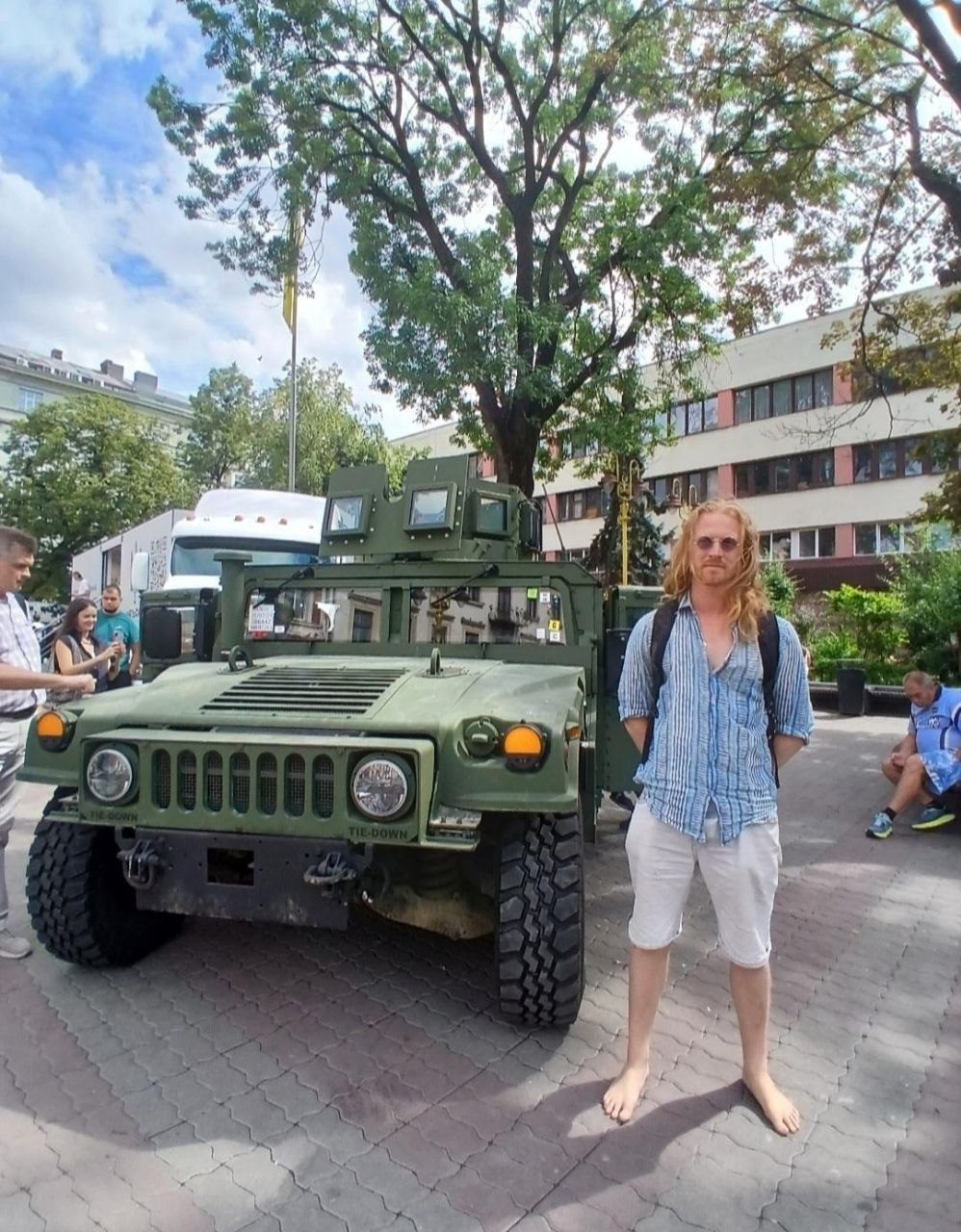
Walking through the beautiful streets of the cities in the western part of Ukraine, it is sometimes difficult to believe the country is fighting Europe’s largest war since the Second World War.
Restaurants are full. Shopping streets are busy. Tourists still visit. Students laugh outside cafés. Prices in the commercial centre are slightly lower than comparable Dutch stores, while neighbourhoods outside the tourist districts are considerably cheaper. Then midnight arrives. Entertainment stops. The city goes dark. Apart from street lighting, almost everything switches off. Several residents told me they have come to appreciate this rhythm. The city becomes peaceful. Wildlife benefits from reduced light pollution. Energy is saved. People sleep. It is a reminder that even emergency measures can occasionally teach lessons about designing healthier cities.
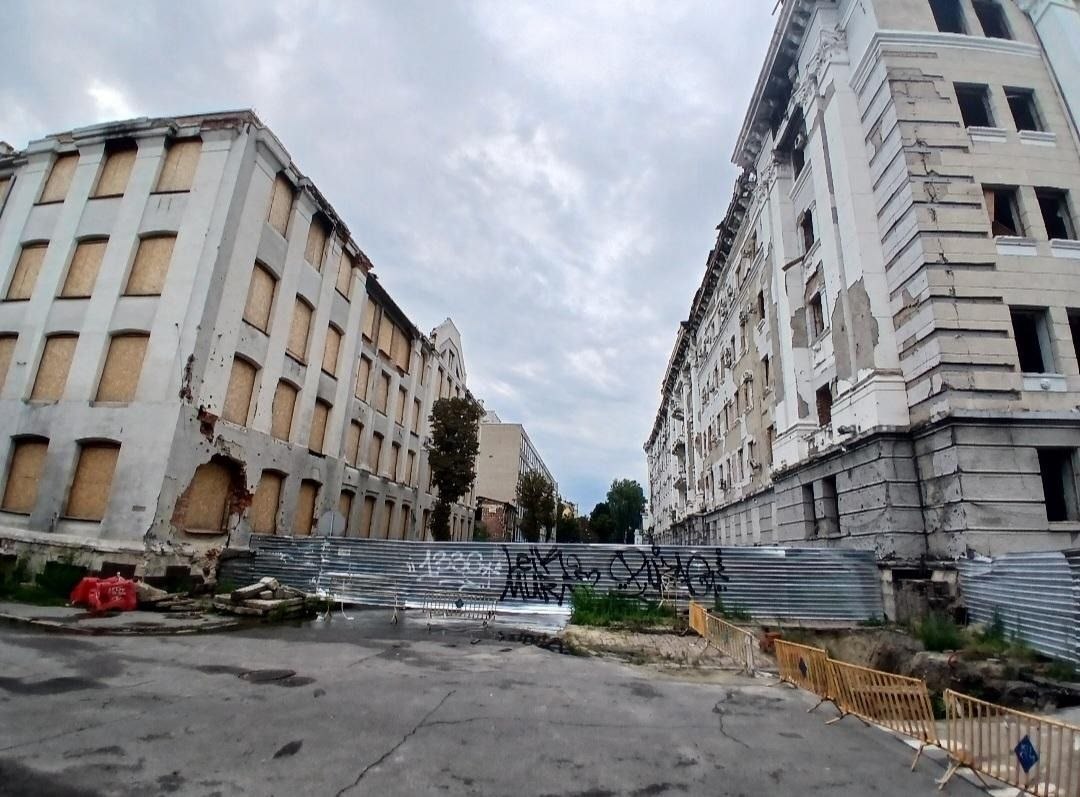
Visiting cities in the east is different. In Kyiv you will find some more bombed areas and buildings. The air alarm goes off a few times a day. And every 2 days there are drone or missile attacks. Most people don´t take any notice to the air raid alarms and continue their daily lives. In Kharkiv and Odessa things are very different. The air alarm goes off all day. You will see drones flying over the city on a regular basis and missiles hitting the city almost every day. A lot more buildings have been hit in these cities. But the people are very friendly and happy to see people from Europe. Cafes, restaurants and clubs are open until 23:00. Most people have left these cities. Those that stayed are making the best of it. But people are poor and struggle to survive every day. This coming winter will be a lot more difficult than last year. We need to help them out as much as possible.
 |
 |
 |
The invisible front line
The war is not only fought with artillery.
It is fought with language.
People explained that western Ukrainian and eastern Ukrainian speech differs noticeably. In eastern Ukraine, many people naturally speak Russian or a mixture of Ukrainian and Russian because of decades of Soviet influence.
For some people in western Ukraine, hearing Russian immediately reminds them of occupation, bombings and murdered family members.
That emotional reaction is understandable.
But several people also worried that some internally displaced Ukrainians who sound Russian are occasionally viewed with suspicion despite fleeing exactly the same Russian aggression.
One man described knowing families who eventually returned to far more dangerous eastern regions because life there felt socially easier than facing suspicion elsewhere.
Whether these stories are common or exceptional, they illustrate something extremely important.
Every division inside Ukrainian society is an opportunity for Russian information warfare.
Modern intelligence agencies do not need to invent conflicts where genuine pain already exists. They merely amplify them until neighbours begin distrusting each other.
The best defence against propaganda is therefore not censorship.
It is social cohesion.
Corruption: a military problem as much as a political one
No subject came up more often during conversations than corruption.
The overwhelming majority of people remain determined to defend Ukraine. Nearly everyone has lost friends, relatives or colleagues.
Their commitment has not disappeared.
Their trust in parts of the political system has weakened.
Several interviewees spoke about procurement problems, inconsistent mobilisation practices and frustrations with decision-making higher up the chain of command. While these conversations reflected personal experiences rather than independently verified facts, they revealed a common concern: every perception of unfairness damages morale.
A volunteer who has supported military units since the early years of the war told me:
“People are still willing to fight. That’s not the problem. The problem is believing everyone is carrying the same burden. When soldiers think politics matters more than competence, trust disappears.”
For the Pirate Party, transparency is therefore not merely an anti-corruption slogan.
It is part of national defence.
Every procurement contract should be publicly auditable.
Every military purchase that can safely be disclosed should eventually become public.
Digital systems should reduce opportunities for corruption rather than creating new bureaucracies.
Leadership under pressure
Leadership during war is impossible to judge from outside the country alone. Inside Ukraine, opinions are often more nuanced than international headlines suggest.
When I asked people about President Volodymyr Zelenskyy, almost everyone smiled before answering.
Many remembered the comedian who unexpectedly became president.
Many believed Vladimir Putin underestimated him because of that background.
One volunteer laughed before saying:
“He surprised everyone. Probably even himself.”
Nearly everyone I spoke with credited Zelenskyy with uniting international support during the first years of the invasion.
At the same time, people increasingly distinguished between admiration for his leadership in 2022 and concerns about decisions made later in the war.
No one I met described him as a dictator.
No one suggested Ukraine should stop resisting Russia.
Instead, they wanted stronger accountability.
Several interviewees also discussed recent changes in Ukraine’s military leadership.
One former volunteer who regularly works with frontline units described the situation this way:
“The Defence Minister had important ideas about digitising the armed forces and making greater use of drones. Those reforms were needed. But he failed to build enough support for them, and he dismissed capable officers who opposed his plans. Many people therefore believe he also shares responsibility for the problems.”
The same interviewee was equally critical of military leadership.
“The General planned several successful operations, but many people considered him old-fashioned and difficult to work with. Most people I know believe both the minister and the general should eventually be replaced. At the same time, people reject the wild rumours circulating online about enormous sums of money supposedly being stolen. Those stories simply don’t add up.”
Another volunteer summarised the mood differently.
“This war is bigger than personalities. Ukraine needs competent leadership, transparent institutions and officers who listen to the people fighting. That matters more than political loyalty.”
Whether one agrees with these assessments or not, they reflect an important democratic principle.
Supporting Ukraine should never require pretending every decision made by its government is beyond criticism.
True allies encourage accountability because accountability makes countries stronger.
The volunteer army behind the army
One thing repeatedly impressed me. Ukraine’s military is supported not only by its government but by thousands of independent citizens. Volunteer organisations buy drones. Private donors purchase vehicles. Communities finance medical equipment. Engineers develop new technologies. This decentralised ecosystem creates resilience. If one organisation fails, another often fills the gap. It is a practical demonstration of why concentrated power is rarely as effective as networks of motivated citizens working together. For Pirate Parties across Europe, this lesson deserves attention. The strongest societies are rarely those with the largest bureaucracies. They are those where citizens are trusted to organise themselves.
National identity and the meaning of patriotism
One subject repeatedly challenged my own assumptions about Ukrainian politics.
In Western Europe, the term far right immediately evokes images of ethnic nationalism, hostility towards immigrants, religious intolerance and authoritarian politics. Several Ukrainians I spoke with argued that this framework does not fully explain the nationalist movements that emerged after Russia’s occupation of Crimea and parts of the Donbas in 2014.
One volunteer who had been involved in supporting the Ukrainian resistance from its early days explained it this way:
“People abroad see the red and black flag and immediately think of fascism. That isn’t how most people here understand it. For us it became a symbol of resisting Russian occupation. People from all over the world came here to help defend Ukraine. They were welcomed. The people we oppose are those who come to erase our language, our culture and our right to decide our own future.”
Another interviewee added:
“You can disagree with nationalist politics, but you should understand the historical context. After 2014 many volunteers organised the country’s defence when the state was still unprepared. That is why some of these symbols get respect among ordinary Ukrainians, even among people who would never describe themselves as nationalists.”
As a visitor, I found that Ukrainian nationalism feels different. Nationalism in the Netherlands is often associated with racism, anti LBTQ+ or excluding against Islam. The Ukrainian nationalism feels more healthy. They should not be accepted uncritically, nor should they automatically be interpreted through the lens of Western European politics. Understanding those differences is essential if Europeans want to engage honestly with Ukrainian society. A lot of people have left the country. Also a lot of foreigners. I could find only one person with a nikab during the 3 weeks I was traveling in the county. And I found very few Chinese people.
From a Pirate Party perspective, defending democracy means protecting the rights of every individual regardless of ethnicity, religion or origin. National self-determination should never become an excuse for discrimination, but neither should legitimate resistance against military occupation automatically be equated with extremist ideology.
Displacement, housing and the hidden social costs of war
The effects of the war are not only visible near the front line.
Cities further from the fighting have absorbed enormous numbers of internally displaced people. Odessa, for example, received many families fleeing occupied territories who either could not or chose not to leave Ukraine altogether.
Residents described how this sudden population increase transformed the local housing market.
One resident explained:
“Demand exploded almost overnight. People who had lost everything still needed somewhere to live. Property prices increased dramatically. In some places they reached many times what they had been before the invasion.”
The consequences extend beyond housing.
Several people described growing homelessness as vulnerable families exhausted their savings and struggled to find stable employment. Some interviewees also expressed concern about rising addiction problems among a portion of the displaced population, although comprehensive national data on these issues remain limited.
Rebuilding without repeating old mistakes
The war will eventually end. The choices made afterwards may determine Ukraine’s future for generations.
Environmental organisations I spoke with expressed concern that reconstruction could become an opportunity for short-term profit instead of long-term sustainability. They worried about intensive pesticide use, foreign investment that prioritises yield over biodiversity, and weak enforcement of environmental protections. Ukraine possesses some of the richest agricultural soil in the world. Destroying that natural wealth would be another tragedy. Reconstruction should therefore follow principles of transparency, ecological sustainability and public participation.
The same applies to housing. Residents described examples of unfinished apartment blocks where buyers had already paid for homes before projects stalled or failed. Whether due to poor regulation, fraud or financial collapse, such cases reinforce the need for stronger oversight and open public records. Every reconstruction contract financed with public money should be searchable online. Every citizen should know where every euro goes. Europe must support people, not only institutions. Europe should continue supporting Ukraine militarily. That support remains essential. But Europe should also invest in something less visible. Independent journalism. Digital transparency. Open-source government systems. Cybersecurity. Environmental protection. Local democracy. Anti-corruption institutions. These investments will outlast the war. They will help ensure that victory is measured not only by reclaimed territory but by stronger democratic institutions.
 |
 |
 |
Conclusion
Ukraine is not simply fighting to preserve its borders.
It is fighting to decide what kind of society it wants to become.
Travelling through the country reminded me that its greatest resource is neither its army nor its fertile land.
It is its people. They deserve institutions that are as resilient, honest and courageous as they are.
That is why Pirate Parties across Europe should continue supporting Ukraine—not uncritically, but constructively.
The strongest democracies are not those without problems. They are those willing to confront those problems openly.
Transparency is not a weakness. In wartime and in peace, it is one of democracy’s greatest strengths.
Mark, thank you for your work and such a comprehensive report.
Mark, I received this from your father, a close friend from our time in the Navy/Marine Corps. I read this with pleasure and recommend the clarity and suggestions provided. Well done!!
Nice to hear from you, Mark. Many thanks for the insights.