Month: <span>April 2019</span>
Month: April 2019

Pirates at the UNOG

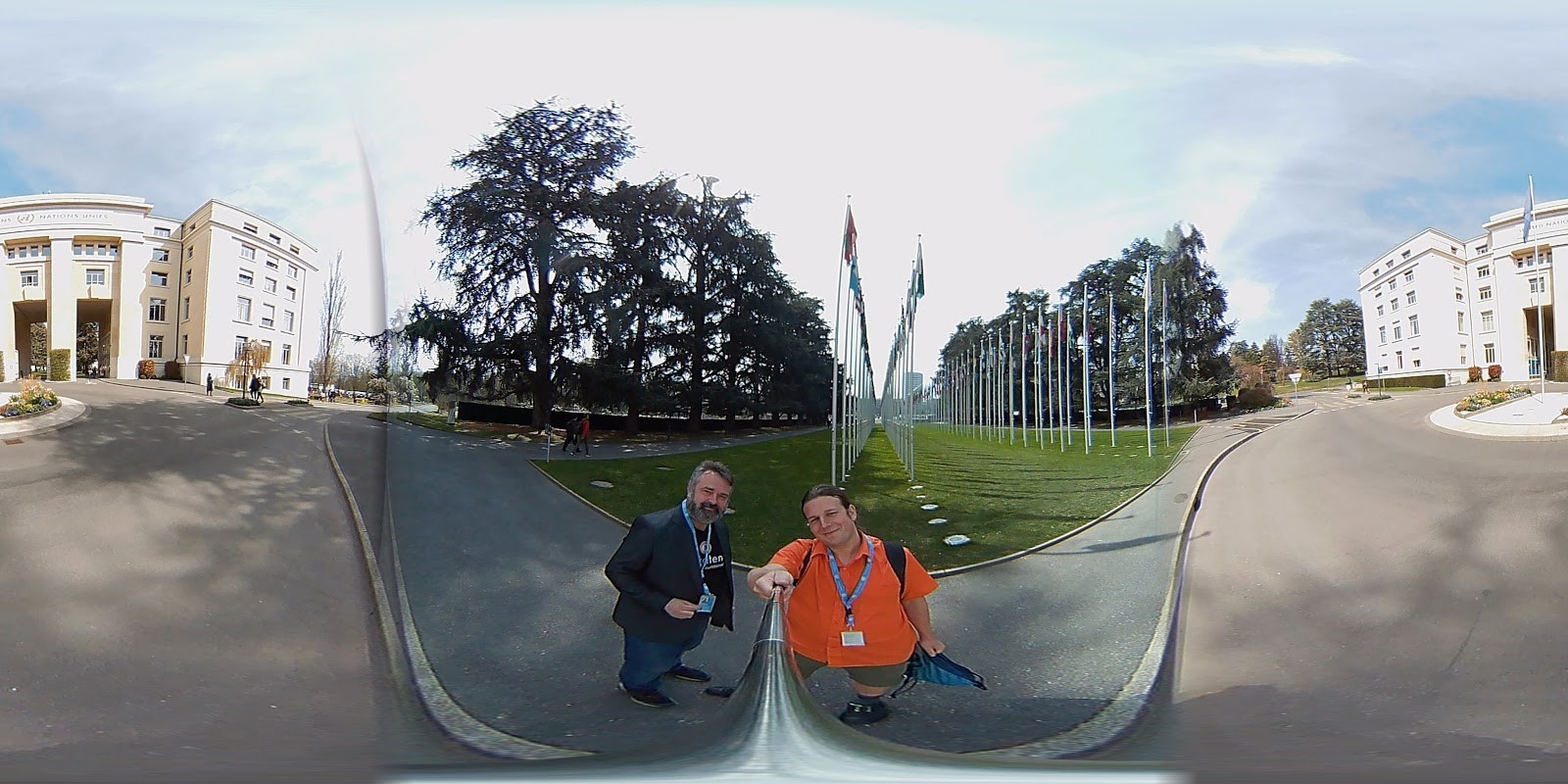
This past week Pirate representatives Alex Kohler and Pat Mächler visited the World Intellectual Property Organization (WIPO) at the United Nations Office At Geneva (UNOG). PPI has an amazing opportunity as a recognized member of the UN Economic and Social Affairs Committee (ECOSOC) to host and attend UN events in NY, Geneva, and around the world. We are working to make a difference by sending representatives to events who will voice our opinions and network with policy makers. Pirates are a global phenomenon and making a difference on a global scale. Pat and Alex graciously volunteered to travel long distance to Geneva and serve as representatives of our organization at …


EU elections 2019: Top Pirate Candidate interviews organized by PPEU and PPI

In cooperation with the eminent Rico Brouwer at Potkaars, (production), we proudly present the first three Top Candidate/Spitzenkandidaten interviews with non other than outgoing Member of Parliament Julia Reda from the German Pirate Party, Chair of the European Pirate Party and second on the list for the Czech Pirate Party – Markéta Gregorová. Last but not least we also present and interview with the top candidate from the Pirate Party of Sweden – Mattias Bjarnemalm. MAB, as he is called, has worked in the European parliament since 2011 and is easily the most experienced pirate we have in these elections. In the coming weeks we will invite the three top candidates …

Israel Elections on April 9th. Pirates breaking the threshold!

The Pirate Party of Israel is participating in national elections, which will take place on April 9th, and they don’t stand a chance. However, this does not keep them from promoting change in society, and they are running a fierce campaign suggesting a way to break past barriers between the public and policy makers and overturn the system. Democracy in Israel is taking a turn for the worse. The main political parties are trying to crush the small parties that represent minorities and consolidate their own power by raising the threshold to be elected to the Knesset (parliament) from 1 (1%) in 1988 to 2 (2%) in 2003 to an …

This website is using cookies to improve the user-friendliness. You agree by using the website further.

Privacy policy