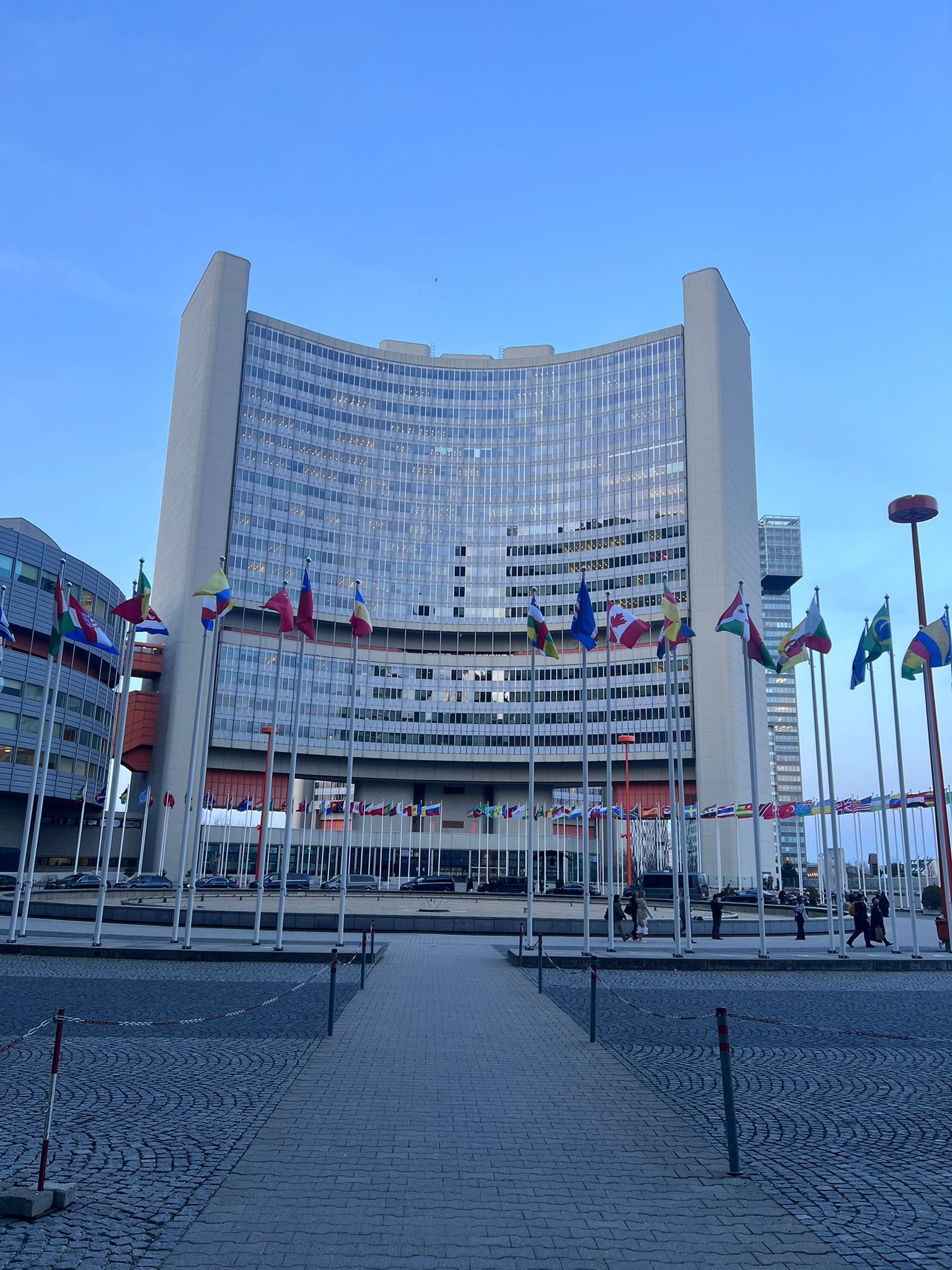
Report on the 69th Session of the Commission on Narcotic Drugs (CND), Vienna
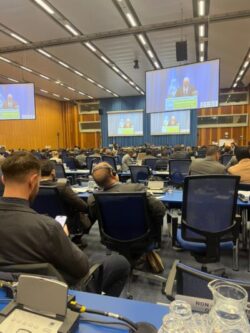
The 69th session of the Commission on Narcotic Drugs (CND) took place from March 9th to 13th at the United Nations offices in Vienna. The event was structured into plenary sessions, side events, and a number of mostly closed meetings. Representing Pirate Parties International, Lilia Kayra Kuyumcu and Kay Schroeder attended the session and followed the discussions closely.
Overall, the atmosphere throughout the week was generally polite and friendly, and at times even a bit funny. The first three days were particularly crowded, with a noticeable drop in attendance toward the end of the session. This shift gave the later days a calmer and somewhat more relaxed tone.
Plenary
The plenary sessions were largely dominated by official statements from member states. While these statements followed a formal and diplomatic style, there were occasional moments of visible tension. In particular, disagreements between the United States and China, as well as between Israel and Iran, and Russia and Ukraine surfaced during discussions. Although these exchanges were loosely connected to the topic of drug policy, they seemed to reflect broader political conflicts rather than the core agenda of the conference.
Committee of the Whole (COW)
The Committee of the Whole offered a much more hands-on view of the process, with delegates negotiating resolutions line by line and even debating individual words in real time. It became especially clear how political priorities shape outcomes, for example when the United States – having recently withdrawn from the WHO – pushed to remove references to the organization from the text. These moments highlighted just how detailed and, at times, strategic the negotiations can become.
Side events
In contrast, the side events offered a more engaging and diverse perspective. They highlighted practical work carried out by NGOs and various states, and demonstrated how these efforts connect to the activities of the United Nations Office on Drugs and Crime (UNODC). These sessions often felt more dynamic and informative, providing space for innovative ideas and real-world examples that complemented the more formal plenary discussions.
One notable issue throughout the plenary sessions was the inconsistent handling of speaking time. State representatives frequently exceeded their allotted time without facing consequences from the chair. At the same time, time limits during side events were enforced much more strictly. This imbalance had a direct impact on NGOs, whose speaking opportunities were often limited as a result. It also raised questions about priorities within the conference structure and influenced the overall culture of respect and fairness in discussions.
Looking ahead, there is real potential to build on what already works well. The openness and diversity of perspectives in the side events showed how valuable inclusive dialogue can be. Bringing some of that spirit more consistently into the plenary—while also ensuring fair and balanced speaking opportunities—could strengthen the overall impact of the CND. Creating space for a wider range of voices, without losing the structure of formal debate, would be a meaningful step forward.