
The Pirate Party of Brazil (Pirate Party of Brazil (Partido Pirata do Brasil, PIRATAS) has provided us with this follow up on the earlier update following the results of the presidential runoff.
Brazil Shines as a Beacon Against Extremism in a Historic Election

On October 25, 2026, Workers’ Party candidate Luiz Inácio Lula da Silva secured 51.6% of the vote, achieving a remarkable electoral victory over his opponent, Flávio Bolsonaro. After finishing second in the first round of the presidential election, Lula faced a challenging path to victory. Historically, no candidate who finished second in the first round had ever gone on to win Brazil’s presidential runoff. His victory therefore marked a historic turning point in Brazilian politics. Lula secured 64,256,232 votes, the highest number ever recorded for a presidential candidate in Brazil, in a campaign driven by extensive grassroots mobilization both on social media and in the streets. These efforts also contributed to the lowest abstention rate in Brazil’s history, with notably high turnout among elderly voters.
This remarkable political mobilization unfolded despite significant external interference from American politicians and technology companies. Brazil was already facing American tariffs justified on the defence of Jair Bolsonaro, while Lula’s campaign encountered obstacles on digital platforms owned by companies such as Meta, the parent company of Facebook, WhatsApp, and Instagram. His campaign’s reach was reportedly restricted, and official pages were temporarily removed at crucial moments. Meanwhile, content supporting his opponent continued to circulate widely. Brazilian far-right influencer and politician Nikolas Ferreira, for instance, reportedly achieved greater reach than international pop stars such as Selena Gomez and Beyoncé, as well as members of the Kardashian family, even when some of his content was muted due to copyright violations.
In response, left-wing influencers and politicians coordinated voter mobilization efforts across social media. These campaigns provided spaces for testimonials, political opinions, policy discussions, and ideological debate. One particularly notable initiative was a WhatsApp group known as “Lula’s Army,” which attracted around 10 million users.

Election day brought additional challenges. Adverse weather affected significant parts of the country, while some right-wing mayors were accused of political sabotage after removing buses from circulation, even in defiance of judicial orders requiring the full public transport fleet to operate. These obstacles prompted both candidates to request a two-hour extension of voting hours. The request was ultimately granted by a Supreme Court justice appointed by Lula, just as the regular voting period was drawing to a close.
Following Lula’s victory, Flávio Bolsonaro repeated his father’s footsteps rejecting the electoral results and vowed to challenge the results in court, seeking to have the election annulled. However, Supreme Court Justice Kassio Nunes Marques, the Superior Electoral Court overseeing the electoral process, who was appointed by Flávio’s father, Jair Bolsonaro, publicly acknowledged Lula’s victory. Most international leaders have also already recognized the elections results, although Argentine President Javier Milei and US President Donald Trump have yet to congratulate Lula.
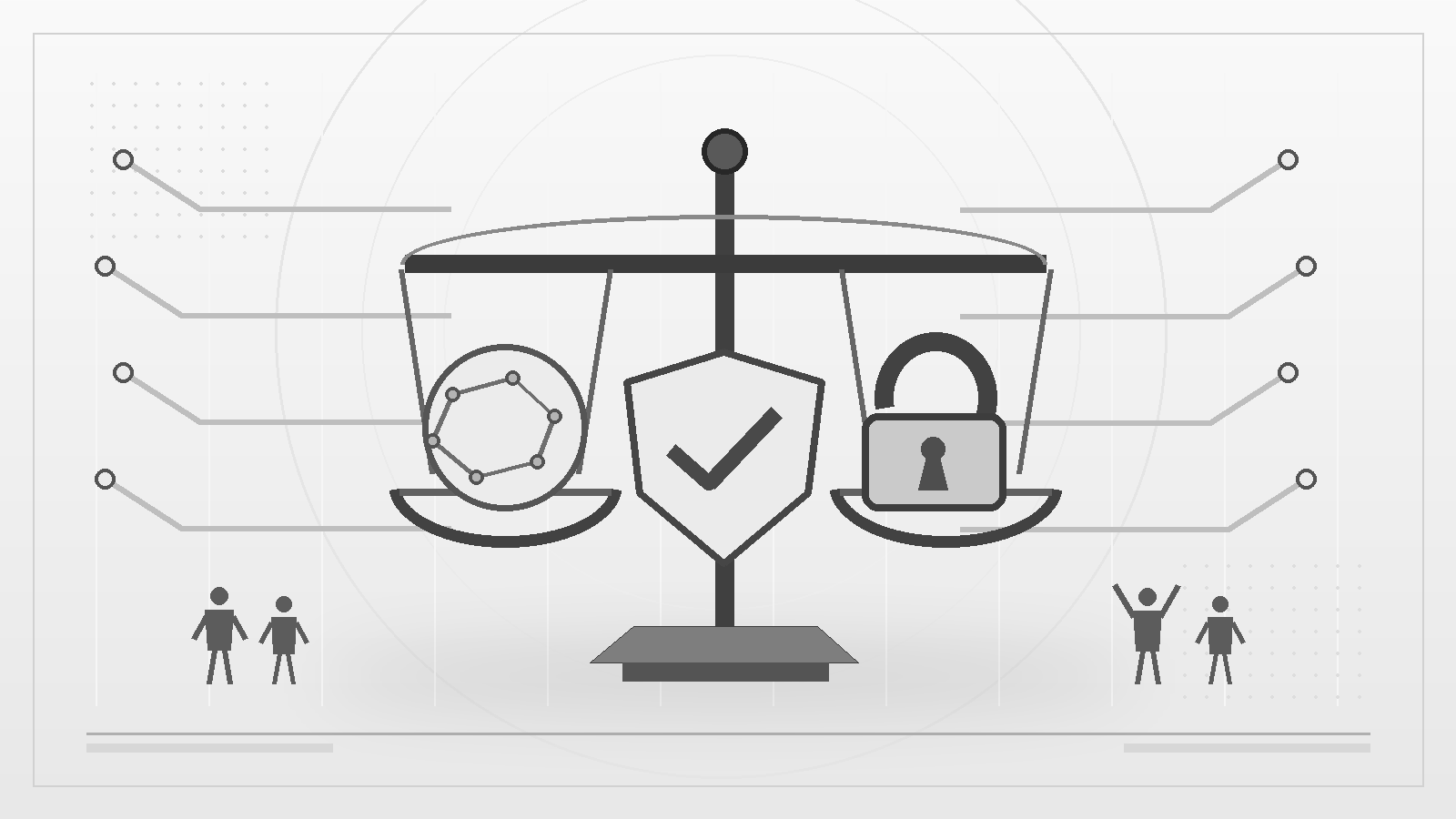
In response to these instances of interference, Lula addressed the role of digital platforms in his victory speech. He pledged to expand digital communication efforts under his new government while also pursuing greater regulation and taxation of social media companies. His position reflects a broader challenge facing democracies worldwide: how to protect electoral integrity and political sovereignty when a handful of powerful technology companies can shape the visibility of political speech, influence public debate, and potentially affect electoral outcomes: “We had to overcome outside interference through digital platforms, which we will have to regulate. Digital crime cannot be treated any differently from crime in the real world. We cannot allow huge, monstrous companies to generate millions and millions in revenue without paying taxes in this country, while seeking to influence this country’s elections.”.

Lula’s reaction to such blatant use of the internet and social media is understandable, however this weaponization of the internet by extremists can be a turning point in the history of civil liberties, privacy, freedom of expression, an open Internet, democratic institutions, transparency, and resistance to the excessive concentration of power. Big tech companies now possess surveillance, censorship, and propaganda capabilities that surpass even those depicted in the most well-known dystopian narratives of government overreach. They operate not only in pursuit of their own interests but also in service of the colonial interests of the Global North. Well-intentioned efforts by national governments to curb corporate abuses can, unfortunately, end up further eroding individual liberties. Ordinary people are caught in the crossfire, pressured to rally behind their leaders in the face of overwhelming economic and political manipulation by Silicon Valley elites.
The following message was prepared by members of the Pirate Party of Brazil with assistance from members of the PPI Board. It does not necessarily reflect the views of all PPI members, but we hope it does. If any of our members have competing ideas about this issue or any other issue that they would like us to broadcast, please share them with us. We are happy to broadcast a variety of ideological opinions and diverse issues. Our goal is to create positive communication to solve problems.