
The following is a blog post written by members of the PPI Discord community with assistance from the PPI Board. The article includes references to external websites, which appear to present legitimate evidence of problems with Wikipedia. PPI is not able to definitively vet all of the evidence, and we encourage the reader to make their own assessment about the veracity of the problems discussed. The views expressed represent the ideas from volunteers who agreed on a common story that we felt was important for the wider Pirate community. We are always open to a variety of opinions, so please reach out if you would like to share more on this topic.
Wikipedia was born with the radical promise to be a free, collaborative encyclopedia that anyone could edit and everyone can access. For many years, Wikipedia symbolized the free culture movement that Pirate Parties have long championed. Yet today, that promise is increasingly undermined. Recently members of our community have observed grave issues at Wikipedia that threaten its survival. We love Wikipedia, and we want it to succeed, but the community currently is filled with toxicity, aggressive deletionism, bureaucratic gatekeeping, and inconsistent, biased application of rules that threatens its legitimacy as a neutral public resource. In this blog we review some of the current issues and our suggestions on how to improve them.
Deletionism
One of the most visible problems is deletionism, the tendency of admins and others to delete articles rather than improve or contextualize them. Wikipedia’s guidelines were originally intended as rough heuristics, but they have hardened into rigid barriers that often prioritize procedural purity over encyclopedic value. As such, a small number of editors retain de-facto authoritarian control as certain topics are ignored. Articles on emerging technologies, local cultural phenomena, or topics outside the global north´s academic circles frequently are put into AfD (Articles for Deletion) process.
Sources, including peer reviewed studies and newspaper articles, are often dismissed as unreliable evidence. Meanwhile, Wikipedia accumulates low quality articles on trivial subjects that somehow survive. By deleting first and asking questions later, Wikipedia actively shrinks the knowledge base it was meant to expand.
As discussed in the following article, if excessive deletionism is allowed to continue uninterrupted, it will end up recreating a feedback cycle in which more editors will end up leaving, which ironically will further enable the deletionists to continue their grisly work, and Wikipedia will become a shell of what it was.
Community Toxicity
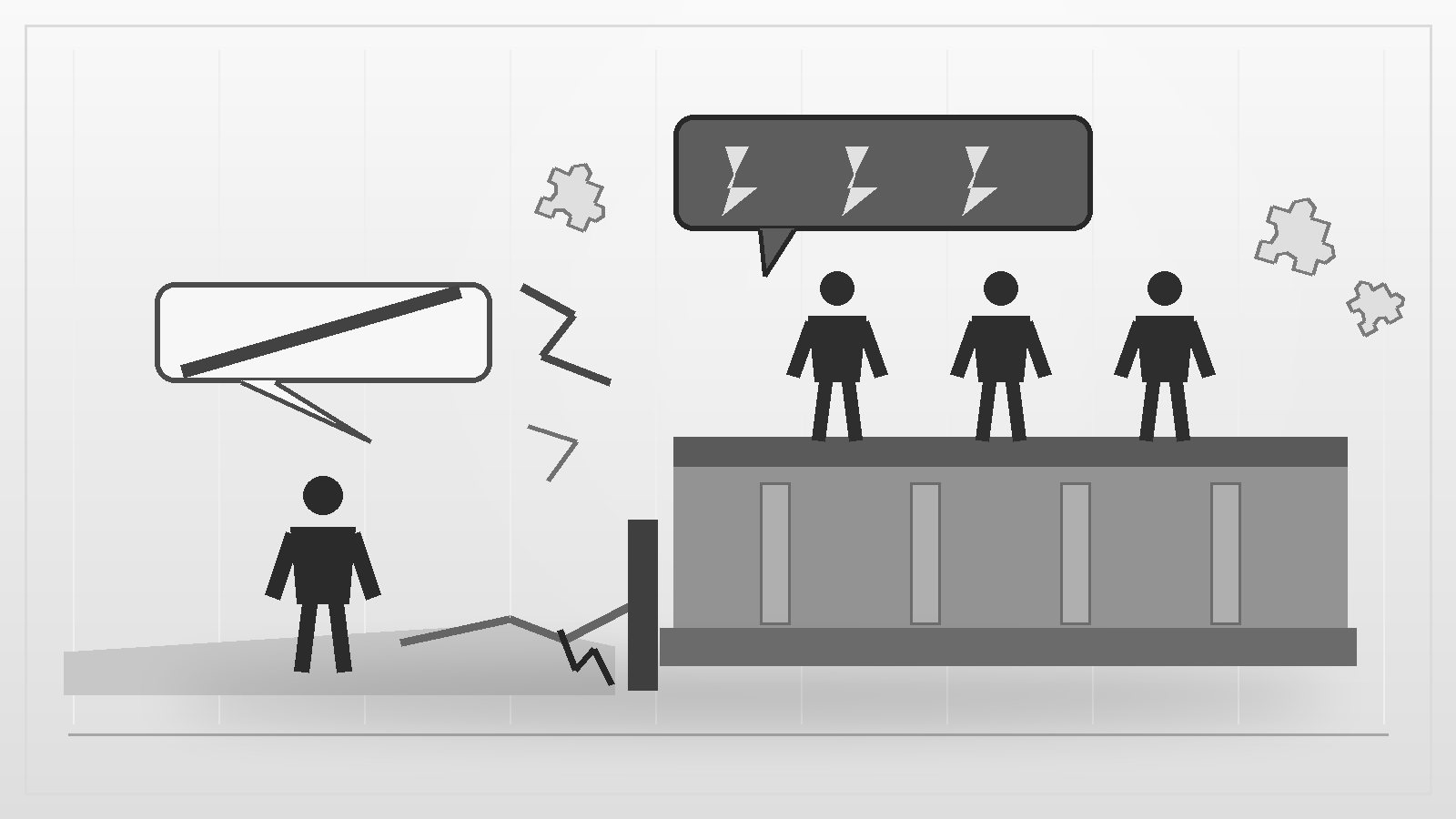
Wikipedia suffers from a culture of hostility. We believe that the problem is worse in the English language and often has personal or political motivations. Edit wars, personal attacks, and coordinated campaigns against unwelcome contributors are common. New editors often find their contributions reverted and their talk pages filled with threatening demands to “read the policies” that appear to made in haste. In practice, there is a large concentration of power among long-term editors and administrators. This relatively small group of highly active users controls key processes: Articles for Deletion, Requests for Adminship, Arbitration Committee cases, and content disputes on controversial topics. This creates de facto fiefdoms where personal grudges, ideological alignments, or simple burnout pretends to determine what is knowledge and what is not. Such practices seem to take aim at minority contributors and content, such as women and people from the Global South. Editors with distinct viewpoints frequently report harassment and scrutiny. Attempts at reform, such as civility initiatives or efforts to diversify the editor base, have produced limited results.
These issues are not growing pains. Wikipedia is now one of the internet´s oldest sites, existing since 2001. The open, collaborative, anti-gatekeeping spirit that made Wikipedia revolutionary is dissipating.
Wikipedia aims to combat spammers and abusers who create multiple accounts and skirt the rules. These tools serve a legitimate purpose. A small number of determined actors can cause a lot of problems. For the sake of transparency, Wikipedia publishes pages that summarize information about accounts, noting targeted topics, and sometimes including approximate geographic locations. Sockpuppet Investigation pages collect evidence for the community and CheckUser reviews. CheckUsers are users with special permission who’re authorized to view IPs and technical logs on Wikipedia. They are restricted by privacy policy from publicly linking named accounts to IP addresses except in rare cases, and truly private evidence is supposed to stay off Wikipedia. In practice, however, many investigations of long term abusers become detailed public dossiers. They aggregate usernames across years, edit signatures, collect evidence, locations, and links to prior cases. Even without explicit real name doxxing (which violates policy), locations, ISP data, and additional information can be used to unmask people.
This creates serious privacy risks. Editors living under repressive regimes, survivors of domestic abuse, political activists, and private individuals can face serious dangers, regardless of the veracity of what was written about them. We consider this a form of surveillance that endangers our Pirate values and the very people Wikipedia claims to empower. We need stricter redaction standards, time-limited visibility, technical measures to restrict visibility of content to logged-in users only, stronger oversight of what is published, and clearer separation between private technical evidence and public summaries.
There are a number of documented “Long Term Abuser” pages, where supposedly disruptive editors are doxxed. Such pages often include IP addresses and other sensitive details about accused disruptive editors. Due to our concerns about victim privacy and safety, we have decided not to publish even redacted versions of these pages. Unfortunately, one can find many such pages around the web. In at least one case, innocent persons and juveniles have been affected. Such abuse of the system requires urgent attention from data protection authorities around the world. There are also reasonable suspicions that adversarial nations manipulate Wikipedia or target political enemies as part of an edit war, such as by gaming or manipulating administrative and rules enforcement mechanisms. In one example, Finnish editor Johanna Janhonen, despite following all the relevant rules by voluntary disclosing her paid editing affiliations, found herself hounded and blocked from English Wikipedia entirely despite the attempts of a handful of rational editors who advocated for constructive edits through talk pages. (Read her account)
In Israel, a civil dispute involving several Hebrew Wikipedia editors and a female academic named Dr. Yael Weiler ended in a settlement without an admission of wrongdoing, following her allegations of defamation and smearing campaigns. Weiler alleged that the editors used various pretexts to get Yael Weiler’s contributions and edits to the site discredited, despite the fact that she had contributed immensely to the encyclopedia in a positive manner, including through the creation of thousands of pages and two portals on the website. Dr. Weiler also alleged that some editors encouraged others to participate in harassment, including through tactics she described as doxxing. (Court document) (Report on the settlement)
The Wiki Workers United Movement
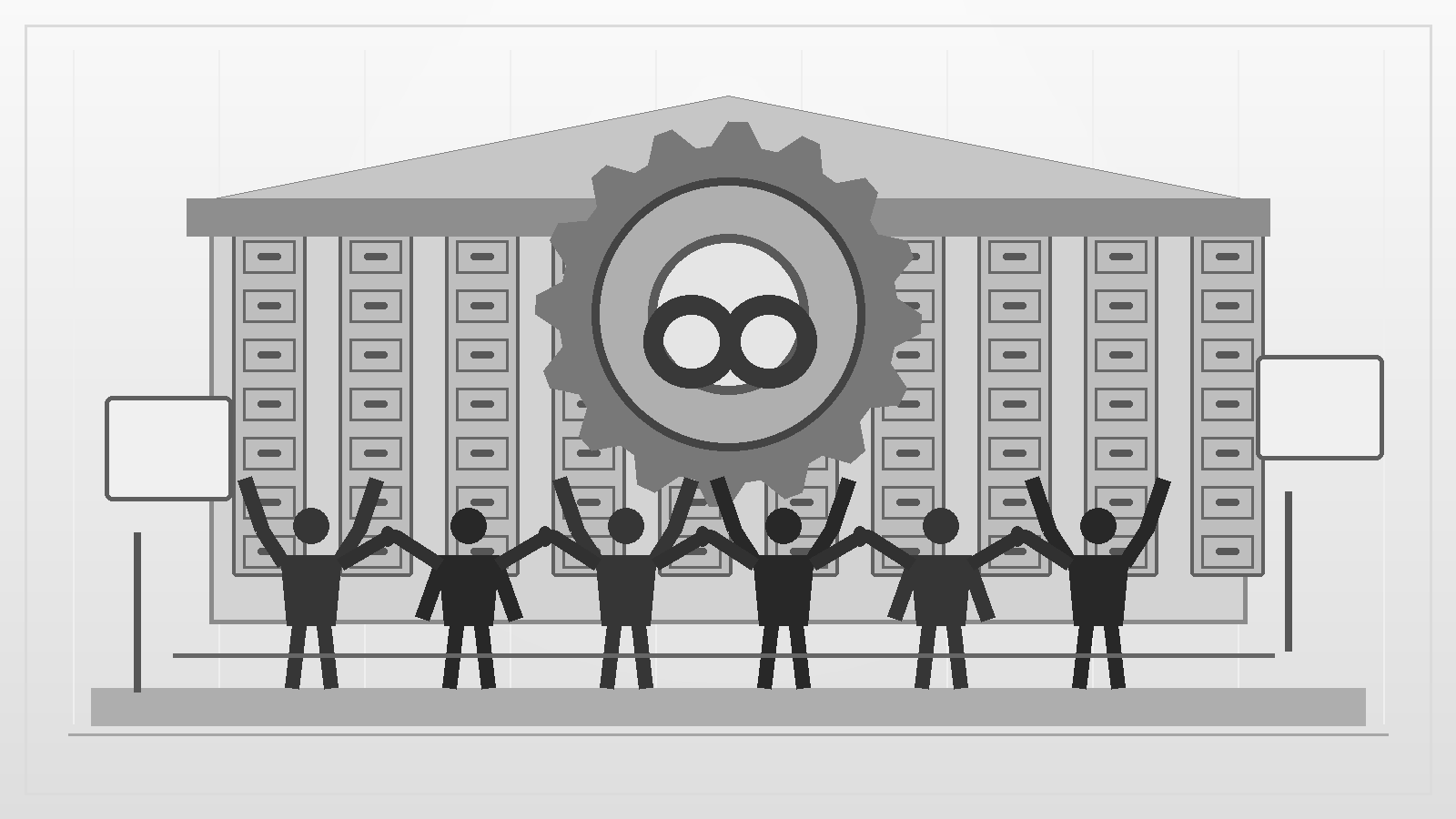
The problems are not limited to the volunteer editor community. In 2026, paid staff of the Wikimedia Foundation launched Wiki Workers United, a global solidarity union. Tensions escalated sharply in May 2026 following the disbanding of the Community Tech team and staff dismissals that raised concerns among union supporters. More than 1,100 volunteer editors signed petitions pledging solidarity with the union including willingness to engage in collective action up to and including an editorial strike. By June and July 2026, some of the union staff in the US and UK formally requested voluntary union recognition. The Foundation declined the US request, opted instead for a National Labor Relations Board election process, and hired a law firm that some critics associate with union avoidance. This response drew sharp criticism from both staff organizers and large parts of the volunteer community, who saw it as inconsistent with the Foundation’s public commitments. Regardless, the union received a Certification of Representative by the National Labor Relations Board on September 17, 2026. From a Pirate perspective, this recent episode was deeply revealing. An organization that exists to steward a global digital commons is struggling with the same issues of top-down decision making, erosion of trust, and resistance to democratic accountability.
Misogyny
Recently, the Guardian published a piece that mentioned Wikipedia’s systemic imbalances against women. During Wikimania 2026 in Paris, a sexual harassment incident reportedly occurred which led to Wikimedia Korea publishing an open letter (Open letter) calling on the Wikimedia Foundation to investigate the incident and review preventative measures. Since then, the Wikimedia Foundation has said it is investigating the reported incident and will address the matter under its established policies (Foundation response). Unfortunately, such type of problems are not new on Wikipedia, as described in a 2019 article:
A senior data scientist in the Wikimedia Foundation from January 2024 to December 2025 posted about her past experiences. She reported witnessing what she considered unethical conduct by a senior leader. Upon disclosing her concerns, she says she was gaslit and told to “practice curiosity”, which she interpreted to mean that there is no unethical conduct after all. According to her account, she was offered severance pay on the condition of not making disparaging statements about the Wikimedia Foundation, which she turned down. She felt the need to speak out against the issues she faced there. (First-person account)
In an incident she described from February, she said that people withheld information to avoid criticism of Wikimedia, singling out an important community member by name. According to her account, someone portrayed that community member in a negative light, suggesting they were hostile toward the Wikimedia Foundation and had treated subordinates unfairly. (Source). She says it was not an isolated incident, as several co-workers reportedly reached out to the ex-staffer and said that they had similar problems when trying to report problematic behaviors to management. (Source) The bullying tactics reportedly included intense micromanagement, negative gossip, work obstruction and the “practice curiosity” practice. (Source)
Besides, Clovermoss, the 2024 Wikimedian of the Year, have reported similar obstructions and gaslighting when raising her concerns to the WMF management. She even filed a public Universal Code of Conduct complaint about it.
Furthermore, if content like (this) and (this) are truthful, there is reportedly a decade-long serial harassment incident affecting US federal employees which is perpetrated by various Wikipedia administrators, likely due to petty reasons.
How can we save Wikipedia?
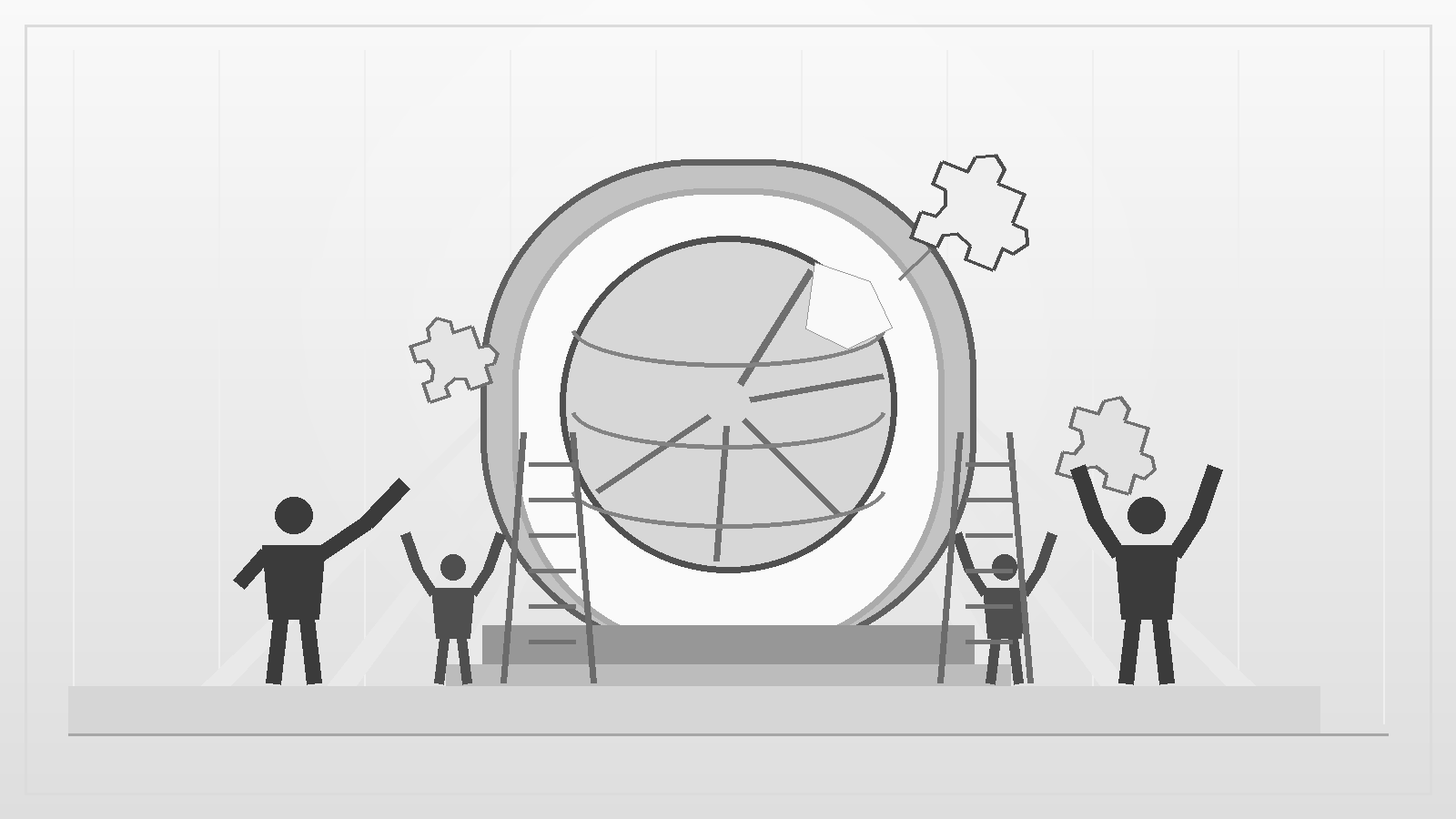
We do not want the destruction of Wikipedia. We love the idea of Wikipedia. Instead we call for reforms. Let´s revise the administrative processes. Let´s experiment with different governance models, such as liquid democracy. Let´s make a cultural shift from deletionism toward preservationism. We need stronger protections for new and diverse editors. And while we love Wikipedia, it should not be the only source of knowledge. Let´s help develop alternative encyclopedia platforms, such as ibis.wiki. Wikipedia should not have a de-facto monopoly on the digital informational ecosystem.
The project’s volunteer-driven model, without adequate governance safeguards, unfortunately reproduces many of the coercive dynamics of other online communities rather than transcending them.
We support the creation of an independent, non-partisan and impartial investigative mechanisms, which can be in the framework of legislative institutions like the United States Congress and the European Union Parliament, that can investigate and identify the exact issues so to help drive meaningful reform in Wikipedia and other Big Tech firms, while protecting and upholding the digital rights of everyone.
We encourage all of our readers, those in the USA voting for Congress in the upcoming midterms and those voting in elections around the world, make sure that you vote for candidates that support digital rights. Inevitably legislative regulations are needed that will ensure that Wikipedia and other Big Tech platforms does not become a place of abuse. The Pirate movement, with its commitment to digital rights and open culture, stands ready to support reforms that restore Wikipedia’s original promise: knowledge for all, shaped by all.
————————————————————————————————–
As mentioned above, the following message was prepared by members of the PPI Discord community and PPI Board. It does not necessarily reflect the views of all PPI members, but we hope it does. If any of our members have competing ideas about this issue or any other issue that they would like us to broadcast, please share them with us. We are happy to broadcast a variety of ideological opinions and diverse issues. Our goal is to create positive communication to solve problems.