
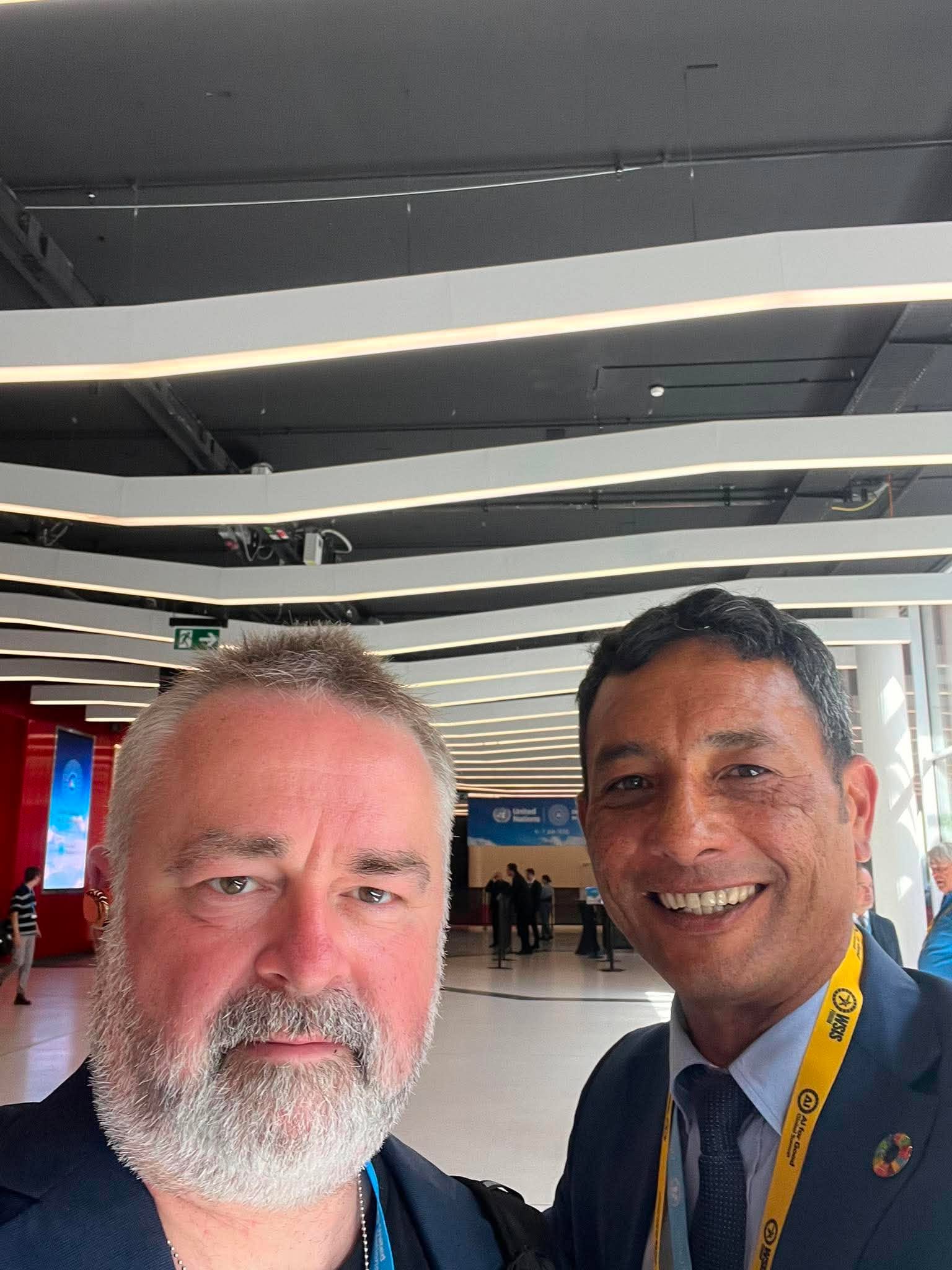
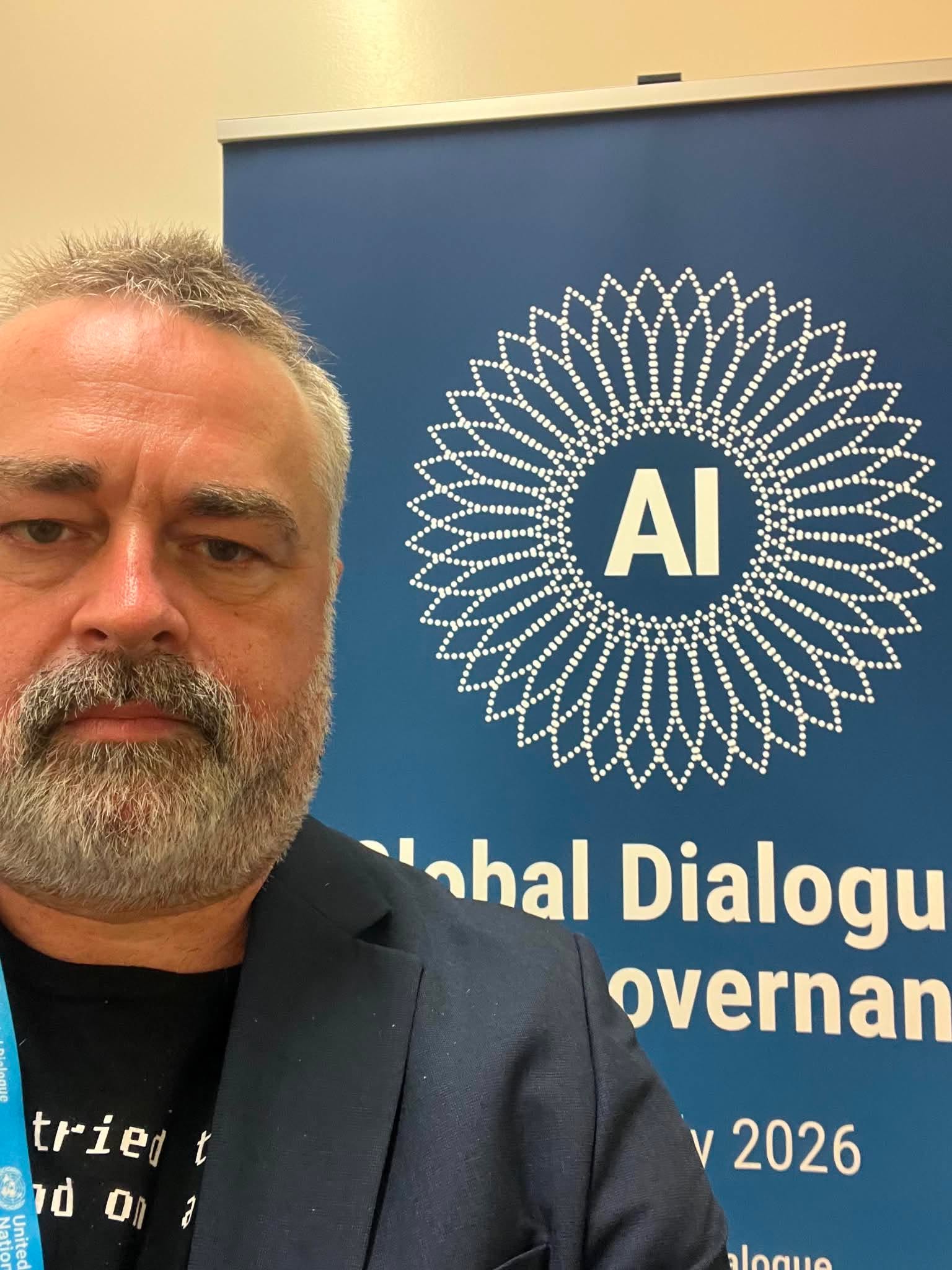
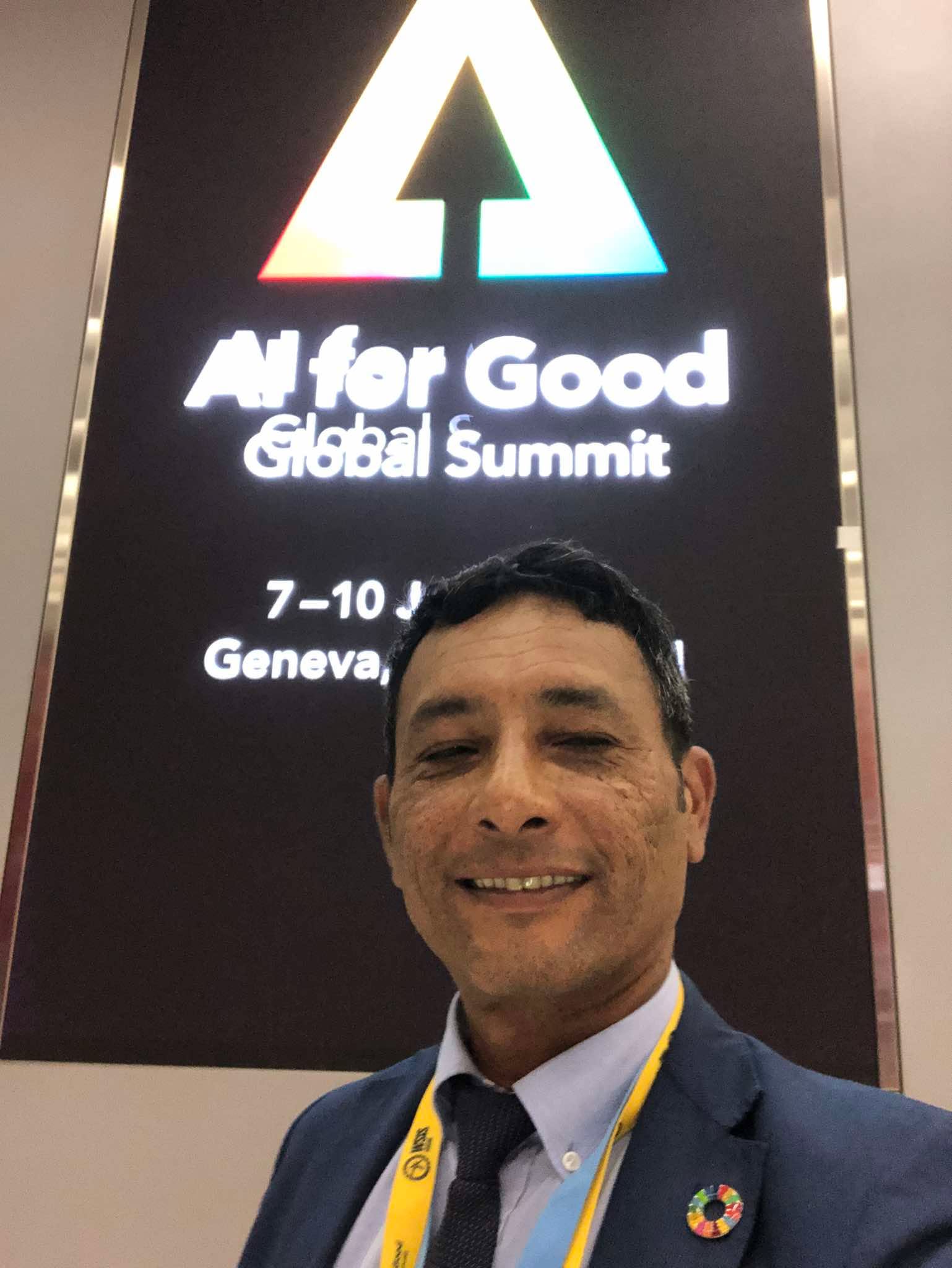
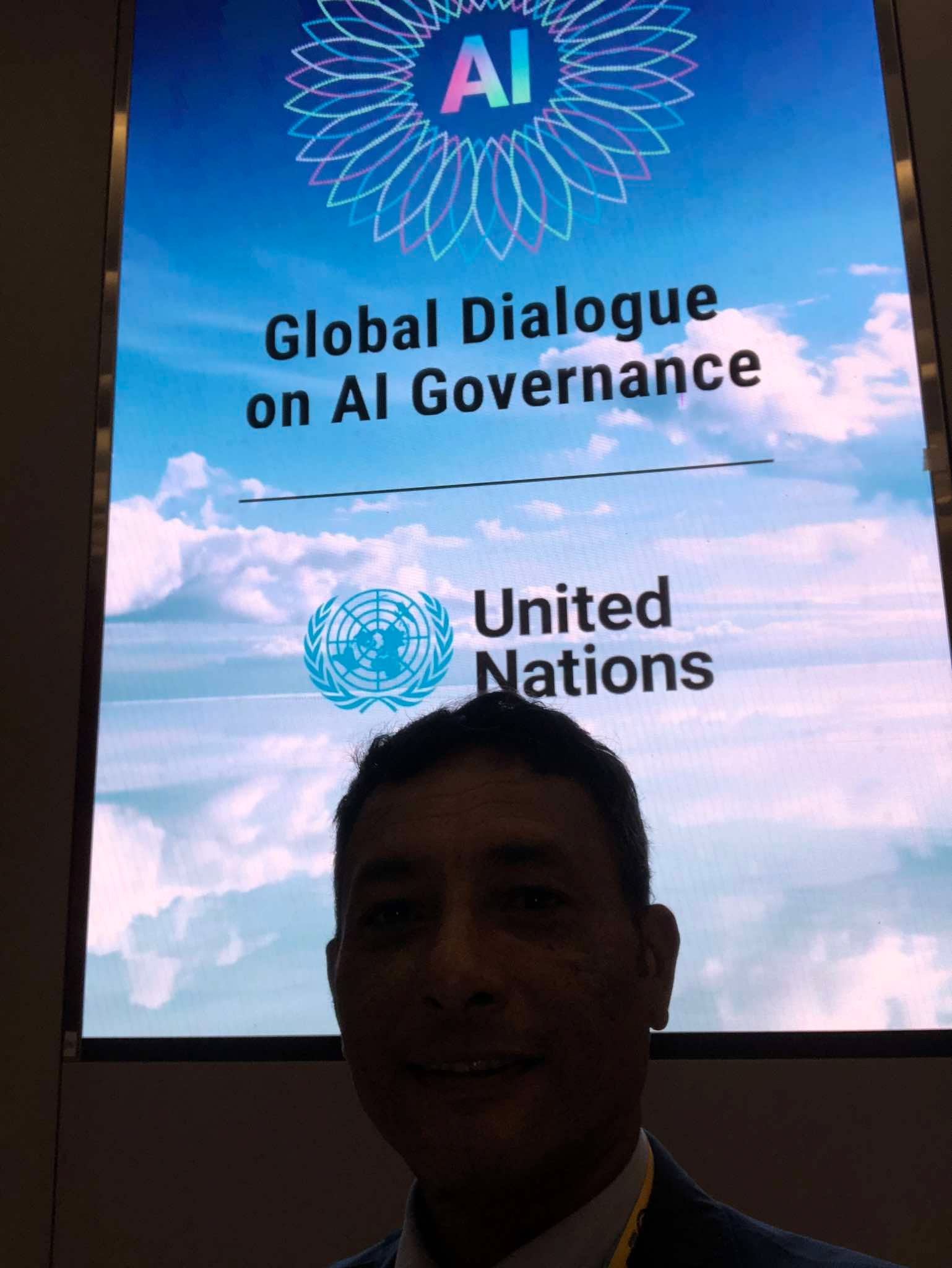
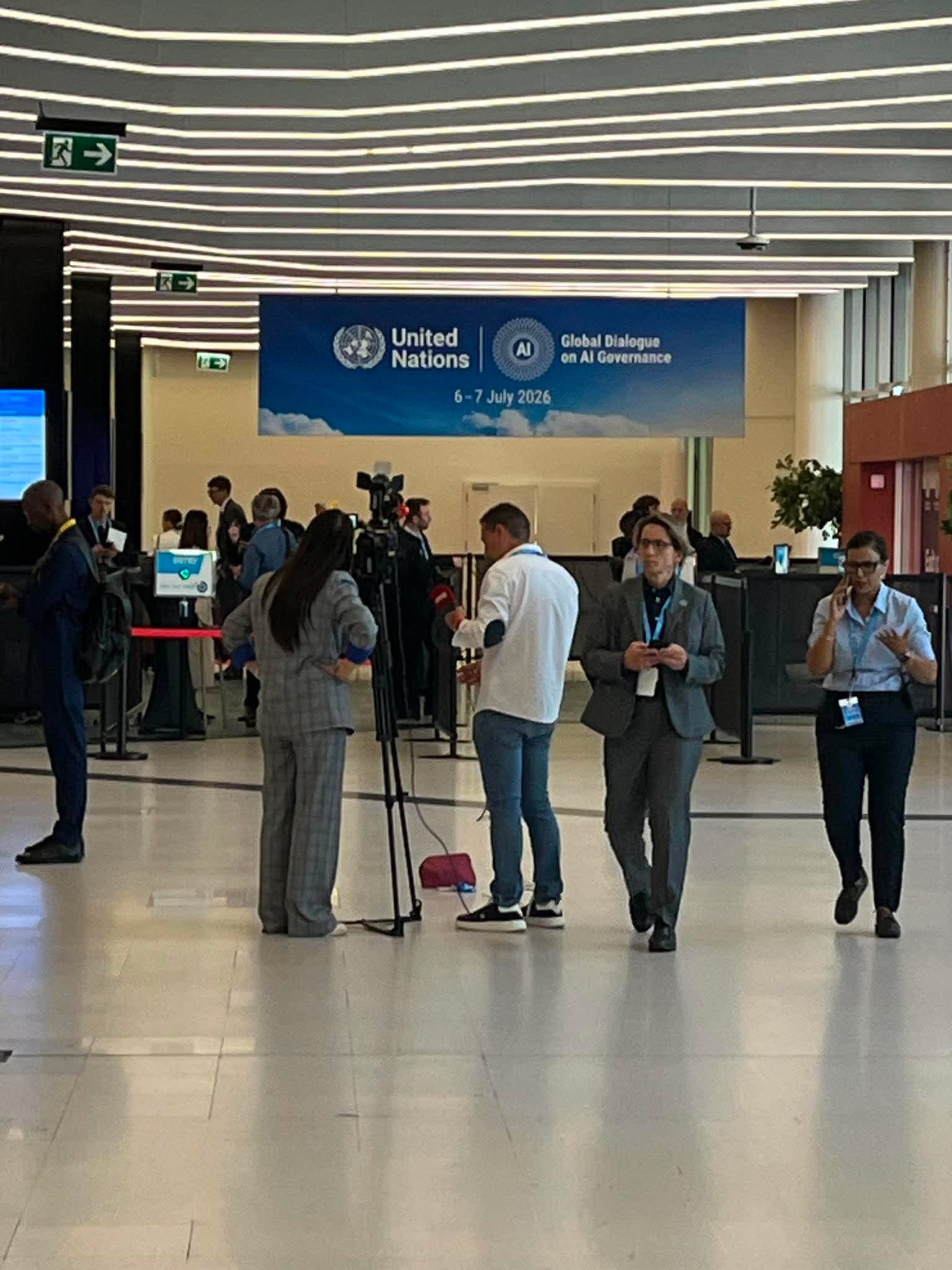
The first session of the United Nations Global Dialogue on AI Governance took place in Geneva on 6 and 7 July 2026. PPI UNOG representatives Carlos Polo of PPCH and Alexander Kohler of PPDE attended the event, joining many global heavyweights to help decide the future of artificial intelligence.
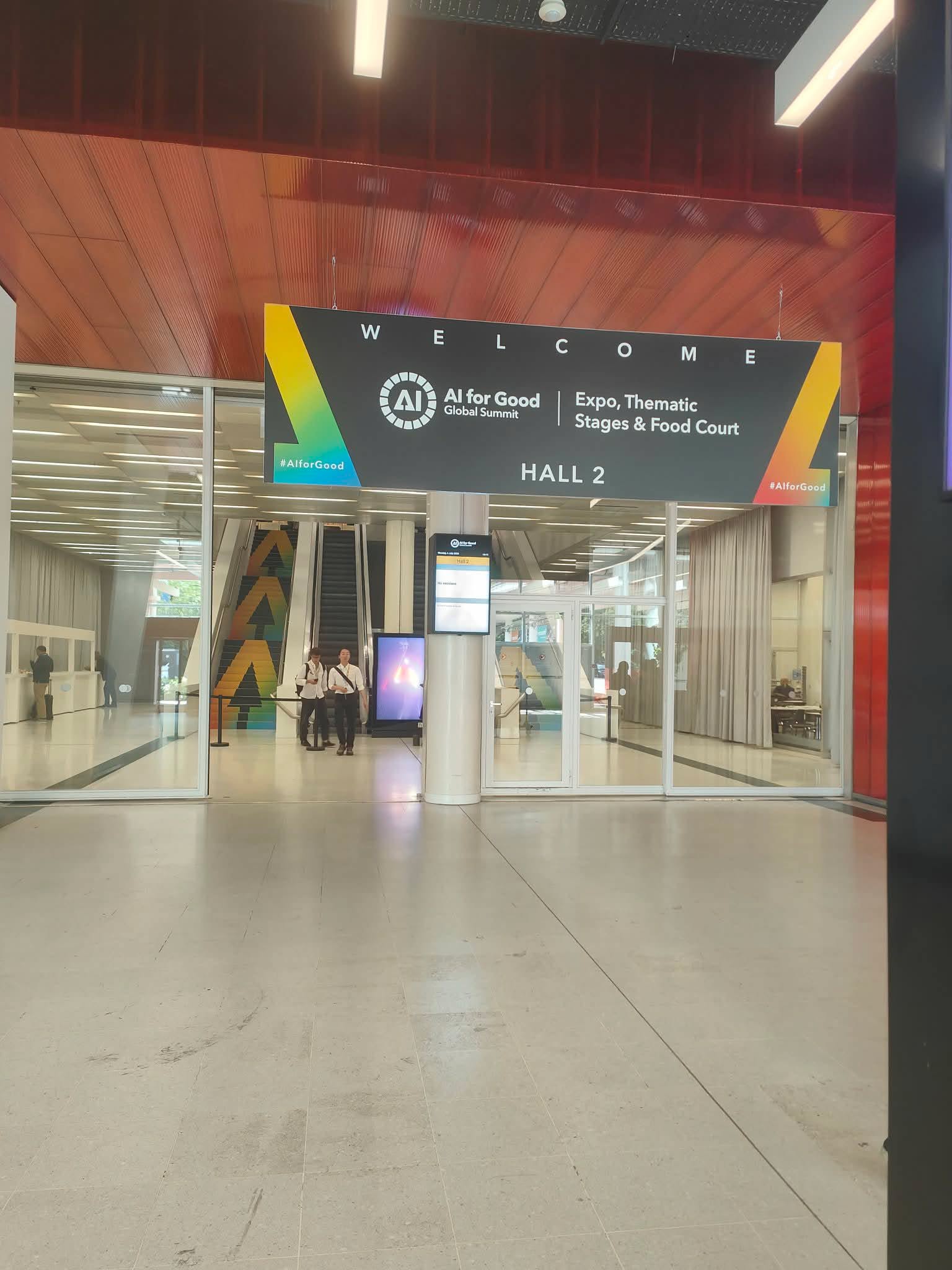
We are pleased to share some of the photographs Carlos and Alexander sent us.
 |
 |
 |
Learn more about the Global Dialogue on AI Governance
Artificial intelligence is already influencing everyday life. Decisions about its development and use cannot be left exclusively to a small number of governments or technology companies. People from every region must be able to participate in determining the rules that affect them.
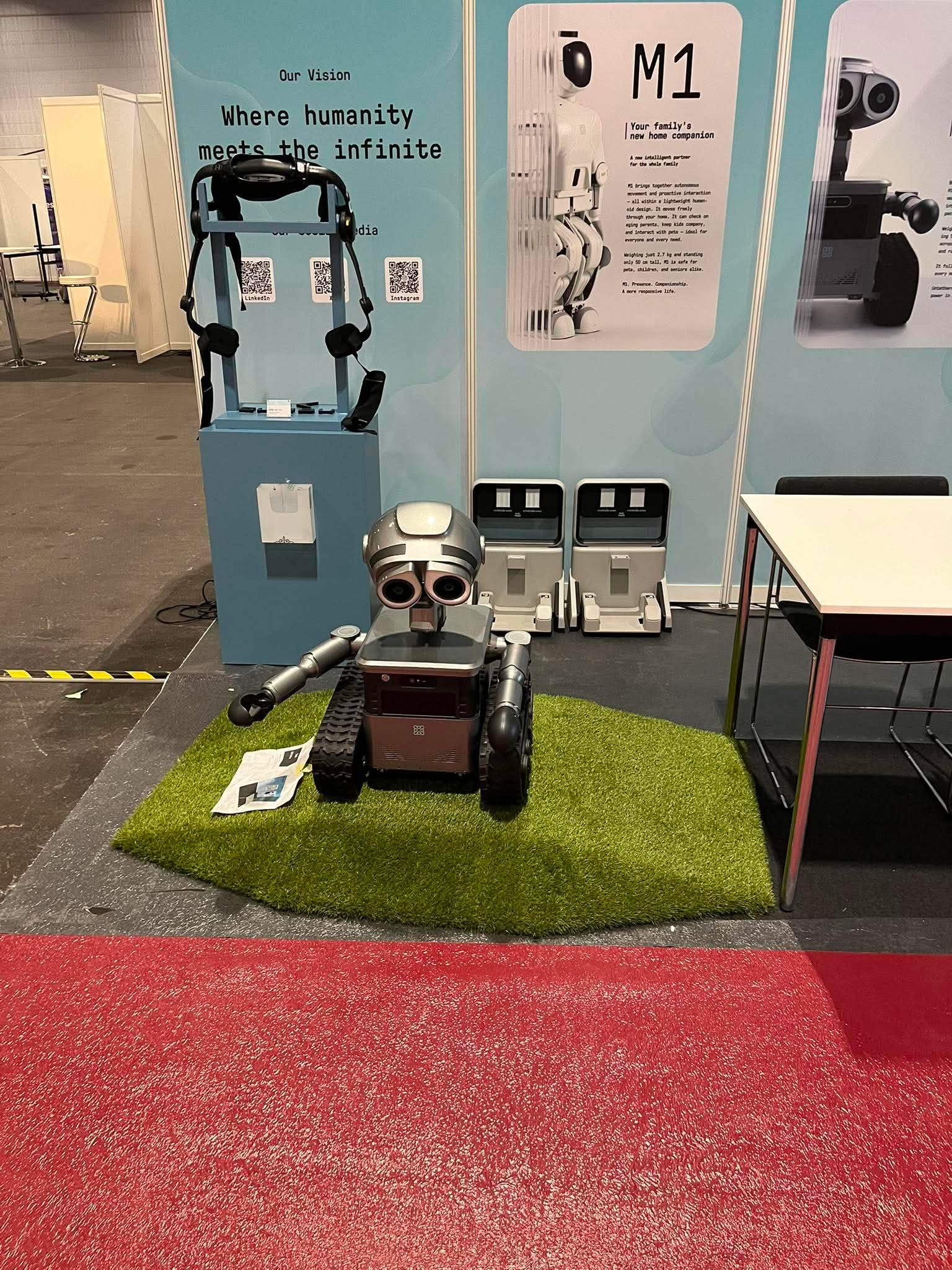 |
 |
 |
 |
 |
 |
The programme examined both the opportunities created by AI and the risks it presents.
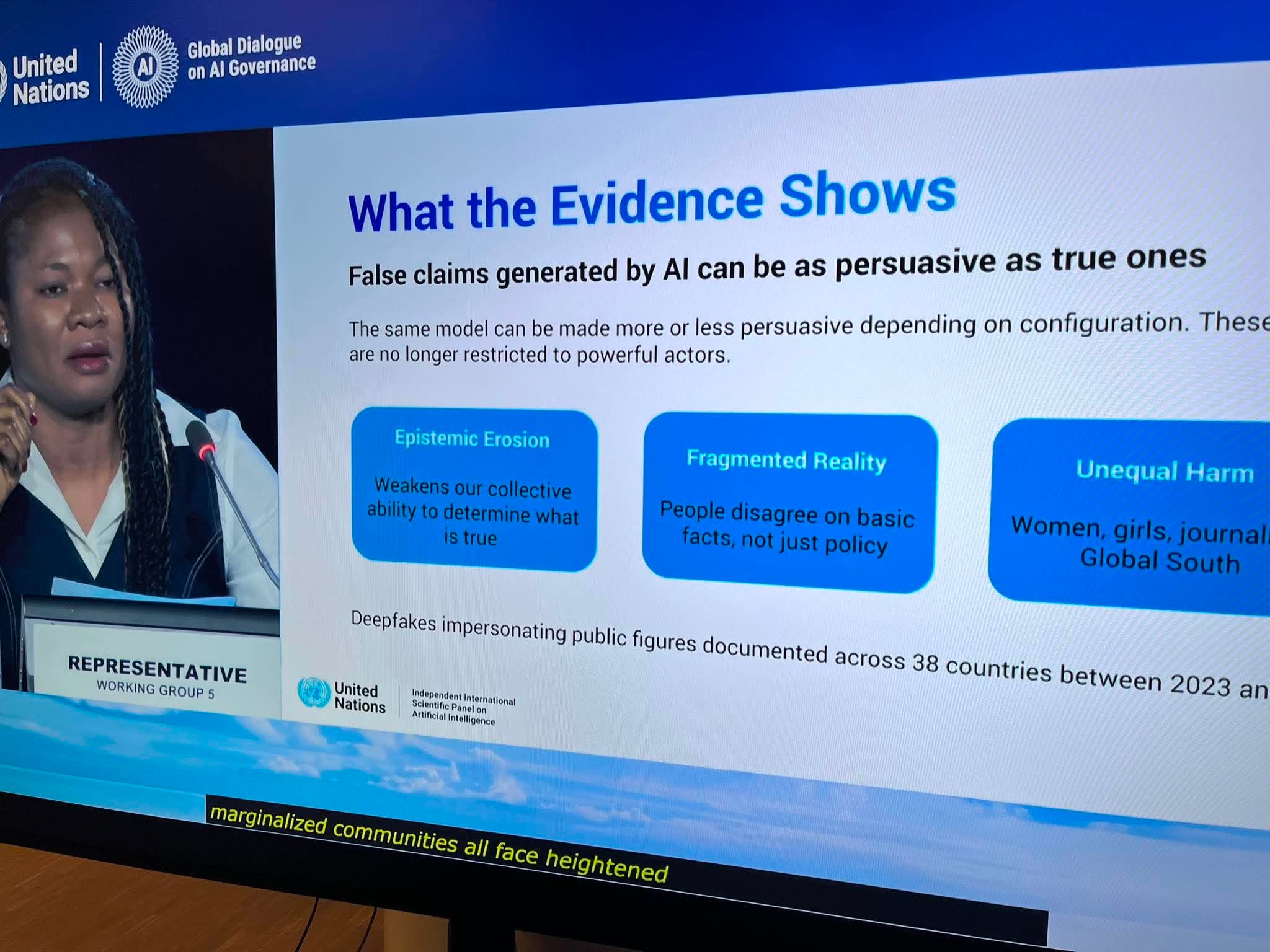 |
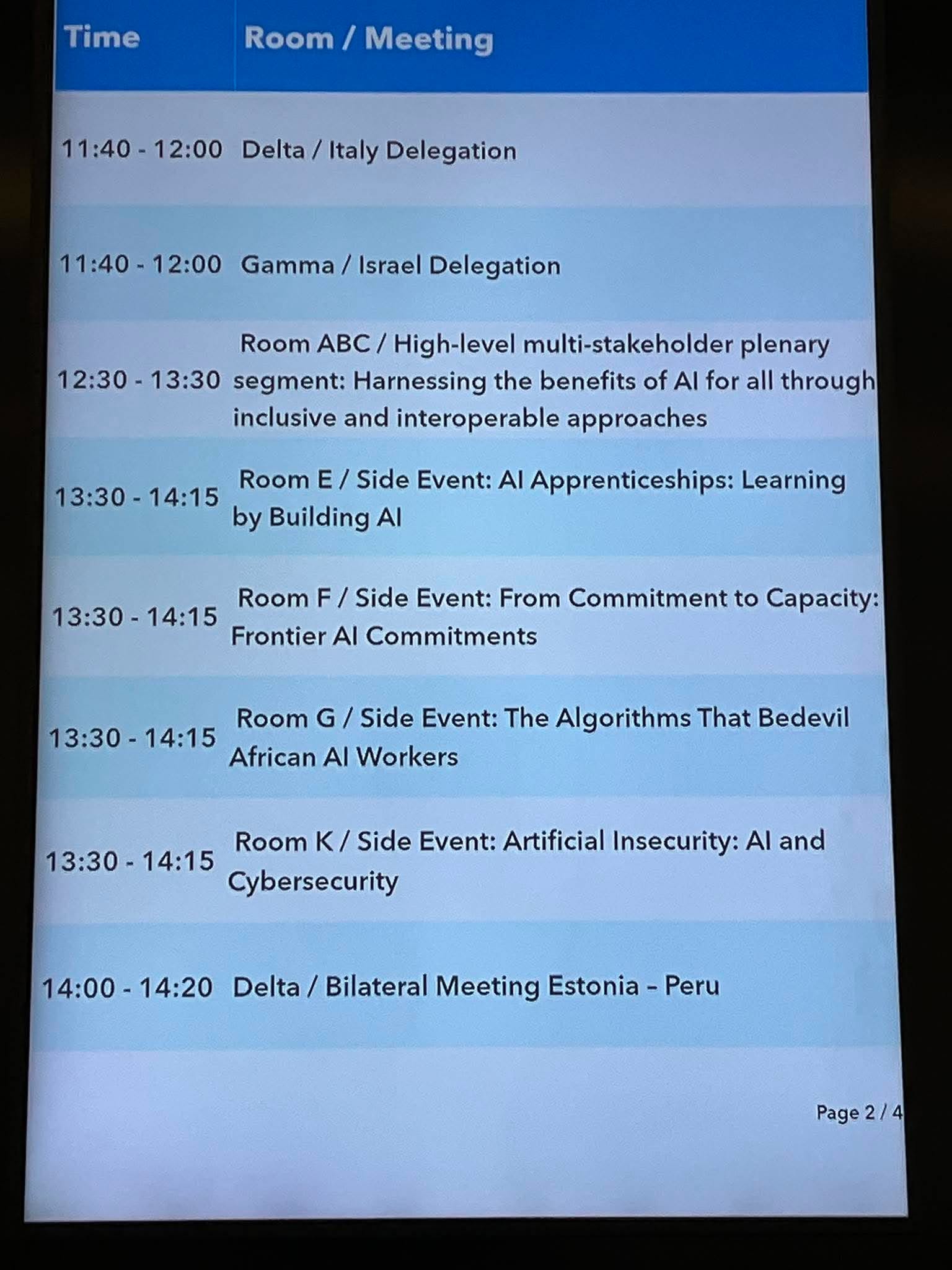 |
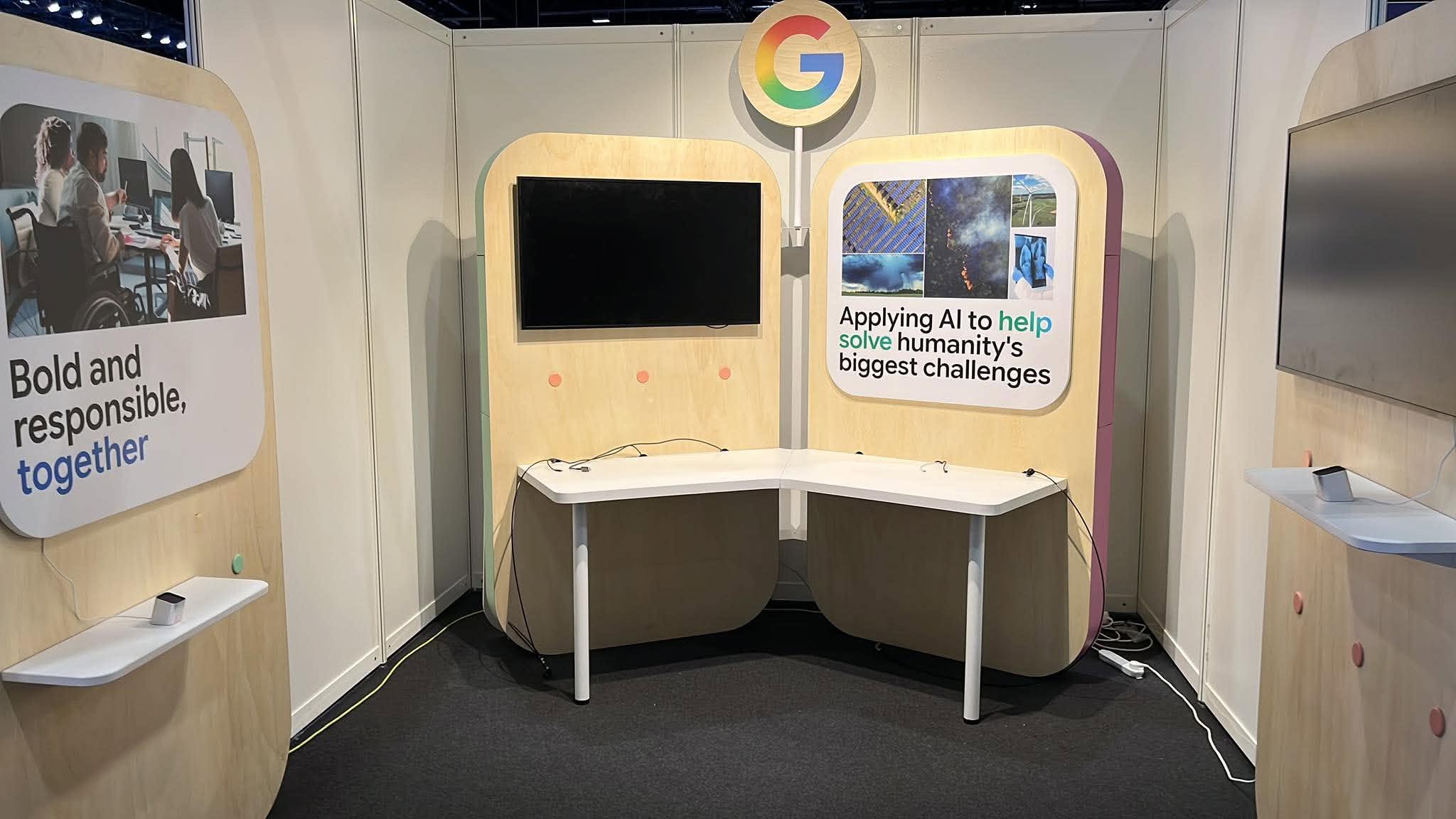 |
PPI has long argued that technological policy must protect human autonomy. AI governance must address the concentration of data, computing resources, and technical infrastructure in the hands of a small number of companies. Access to safe AI for all is necessary if the benefits of AI are to be shared rather than controlled by a few dominant actors. By safe, we mean AI that will protect privacy and AI memory.
 |
 |
 |
The second session of the Global Dialogue on AI Governance is scheduled to take place in New York in May 2027.
AI and Governance at Think Twice 2026
Learn more about Think Twice 2026
Pirates will continue discussing many of these same issues at the Think Twice Conference, which will take place in Brussels on 16 and 17 October 2026, which is organized by PPI together with the European Pirates.
The theme of the 2026 conference is AI & Governance: Opportunities and Risks for Digital Freedom.
The programme approaches the subject from two complementary directions. AI for Governance considers whether artificial intelligence can strengthen democratic institutions, improve public services, and support civic participation. Governance of AI asks how artificial intelligence should be regulated to protect transparency and fundamental rights.
We hope to see you there.